SDG 17: Partnerships for the Goals

SDG 17: Partnerships for the Goals

Strengthen the means of implementation and revitalize the global partnership for sustainable development.

By actively fostering partnerships and collaborations at the local, national and global levels, Wilfrid Laurier University demonstrates its commitment to SDG 17. These partnerships are instrumental in addressing complex global challenges and working toward a more sustainable and equitable future for all.

Highlights of Progress

The work that Laurier completed in 2025 to advance SDG 17.

Laurier students bring fresh ideas, real impact to Town of Milton

Wilfrid Laurier University’s Milton Academic Centre buzzed with energy as students unveiled their solutions to a challenge presented by the Town of Milton: making it easier to connect with municipal government. Over the fall term, 28 students in the course UX100: Design Thinking I: Foundations worked with the town on this real-world problem. Their proposed solutions were showcased Nov. 27 in five “pitch-style” presentations that capped their months-long design project.

Leaders gather at Laurier symposium to explore the university of the future

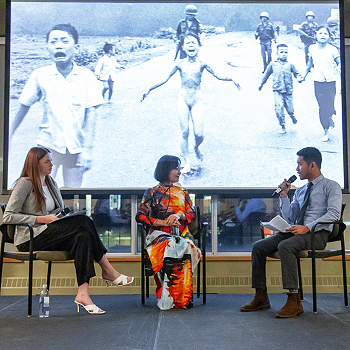
More than 200 educators, students, alumni, policymakers, industry leaders, and community partners gathered at the Balsillie School of International Affairs on Nov. 21 for a day-long discussion about the future of Canadian universities in an age of rapid social, political, and technological change.  Hosted by Wilfrid Laurier University’s Faculty of Arts to cap off its 100th anniversary year, the symposium brought experts and thought leaders together to explore how best to prepare humanities and social sciences students for an evolving workforce and world.

Bridging education and enterprise: Laurier Brantford students help build Workforce Planning Board of Grand Erie Business Resource Toolkit

Experiential learning at Wilfrid Laurier University’s Brantford campus isn’t just preparing students for their futures — it’s shaping the community.  The Workforce Planning Board of Grand Erie recently launched its Business Resource Toolkit, an online directory designed to help local entrepreneurs and small business owners access the supports they need to survive and grow. The toolkit brings together information on everything from human resources and health and safety to legal supports and Indigenous business services.

Laurier students gain hands-on experiences through Faculty of Arts' community partnerships

Through a growing array of community partnerships, the Faculty of Arts at Wilfrid Laurier University is providing students with experiential learning opportunities to develop future-ready skills while making meaningful contributions to local organizations.  Community partnerships with non-profit organizations, government agencies and businesses allow Laurier students to extend academic learning through hands-on experiences identified by the partner, including case studies, placements and research activities.

RedDoor Collective and Laurier sign MOU to explore Global Indigenous Innovation Centre in downtown Brantford 

RedDoor Collective, an Indigenous-owned creative production facility located on Six Nations of the Grand River Territory, and Wilfrid Laurier University have signed a Memorandum of Understanding (MOU) to collaboratively explore the creation of a Global Indigenous Innovation Centre and Immersive Shared Reality Cinemas in the heart of downtown Brantford.

Laurier’s Lazaridis School to host leading economists for discussion on immigration policy

Misconceptions, opportunities and rapid changes in immigration policy were the topics of conversation at Economic Outlook 2025 on Feb. 12, hosted by the Laurier Centre for Economic Research and Policy Analysis (LCERPA) at Wilfrid Laurier University’s Lazaridis School of Business and Economics.  Laurier welcomed Pedro Antunes, chief economist at the Conference Board of Canada, and Jennifer Hunt, professor of Economics at Rutgers University and former chief economist of the U.S. Department of Labor, for a panel discussion moderated by Jeff Chan, Lazaridis economics professor and LCERPA director.

Research Centres

Laurier research centres advancing SDG 17.

Tshepo Institute for the Study of Contemporary Africa

The Tshepo Institute for the Study of Contemporary Africa (TISCA) is a university-wide research centre with active members across multiple faculties involved in Afrocentric research projects. TISCA’s vision is to provide scholars specializing in Africa with a platform and voice to produce and share timely interdisciplinary knowledge and discourse about issues affecting contemporary Continental Africa and its diaspora. TISCA’s mission is to promote global awareness and excellence in knowledge development on issues in contemporary Africa and the African diaspora in Canada and beyond.
International Migration Research Centre

The International Migration Research Centre (IMRC) serves as a node of excellence in scholarship and research, social and cultural debate, and policy formulation pertaining to international migration. The IMRC's mission is to create platforms for debate, research, policy analysis, community engagement and proposal development related to international migration and mobility at global, national, regional and local scales.
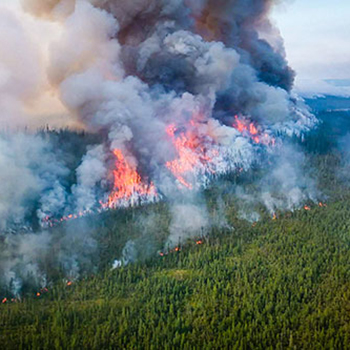
Centre for Research on Security Practices

The United Nations Development Program provides a framework for defining “human security” as a freedom from fear, want, poverty and despair, and the work of the Centre for Research on Security Practices (CRSP) both engages and extends this definition. The centre does so by thinking through global and state-level practices of security and securitization that uphold structural forms of power and which, somewhat paradoxically, leave particular populations vulnerable. CRSP takes this tension as the heart of its work and the place through which a more fulsome and productive notion of security may be generated.
Laurier Institute for Water Science

The Laurier Institute for Water Science is a multidisciplinary, collaborative undertaking among research faculty in the Faculty of Arts, the Lazaridis School of Business and Economics and the Faculty of Science. The focus of the institute is on research in three interconnected water-related disciplines:

  • Hydrological sciences: This includes physical, chemical and biogeochemical aspects of hydrology, climatology and hydrogeology.
  • Ecology and biogeochemical sciences: This includes toxicology, geochemistry, terrestrial and aquatic ecology.
  • Public policy and management: Related issues include policy, economic, governance and legal aspects of water across Canada and internationally.

The Cold Regions Research Centre

The Cold Regions Research Centre was established in 1987. Initially focused on arctic and mountain glaciology and hydrology, the scope has broadened to cold regions (mountain and northern) research consulting on topics such as hydrology, climatology, glaciology, resource management, parks planning and biogeochemistry.

The Laurier Centre for Sustainable Food Systems

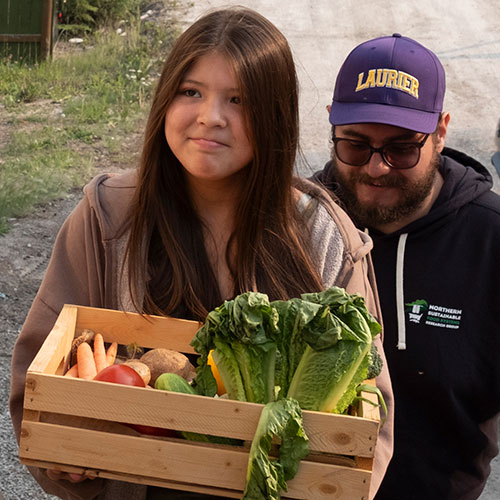
The Laurier Centre for Sustainable Food Systems (LCSFS) connects researchers and community partners engaged in sustainable food systems change. It creates opportunities for citizens, practitioners, policy-makers, private enterprise and academics to work together to imagine and foster food systems that are fair, healthy, ecologically regenerative, culturally appropriate, prosperous and inclusive. Using food as a lever for positive change, the LCSFS enables meaningful collaboration among people across institutions, sectors and disciplines to support community-driven research, innovative knowledge sharing, and the development of community resources and sustainable food system policy.

Co-operators Centre for Business and Sustainability

The Co-operators Centre for Business and Sustainability facilitates and coordinates research related to business and environmental sustainability. The centre ensures regular communication between researchers and practitioners, including strategic decision-makers in the local sustainability community. Located in the Lazaridis School of Business and Economics at Laurier, the centre hosts seminars, conferences and roundtables to discuss relevant topics aligned with practitioner needs and assists in disseminating research findings in a timely fashion to those who can use them.

Viessmann Centre for Engagement and Research in Sustainability

The Viessmann Centre for Engagement and Research in Sustainability (VERiS) is an interdisciplinary and community-engaged research centre striving to be a catalyst and nexus for the transition toward strong cultures of sustainability. The centre understands cultures of sustainability “as characterized by shared values, symbols, rituals and practices grounded in sustainability principles leading to individual and societal choices that promote environmental protection, social justice and well-being, and a supportive economy." A culture of sustainability may exist within an organization, a building with multiple organizations or a community.

Laurier Centre for the Study of Canada

The Laurier Centre for the Study of Canada (LCSC) focuses on the interdisciplinary, multidisciplinary and comparative study of the Canadian experience. LCSC has three objectives:

  • Facilitate and support original research on Canada;
  • Mobilize and disseminate knowledge to both scholarly and general audiences through community engaged outreach programs; and
  • Provide high-quality experiential learning and training opportunities for undergraduate and graduate students.

In pursuit of this mission, LCSC recognizes there are expansive, evolving, and contested interpretations of Canada.

The Centre for Leading Research in Education

The Centre for Leading Research in Education (CLRiE) brings together Laurier faculty, staff and students, as well as researchers and partners from external community organizations with backgrounds in education, psychology, kinesiology, music, health studies, biology, languages and literatures, history, social work, youth and children’s studies, global studies and more. The centre aspires to support research and research-related activities in education. A salient feature of CLRiE is its focus on interdisciplinarity, encouraging the development of thoughtful, balanced and creative approaches to educational research in a changing world.

Manulife Centre for Community Health Research

The Manulife Centre for Community Health Research is an interdisciplinary community development and research centre guided by multiple social determinants of health. The centre acts as an incubator for students committed to community-based scholarship and development in the field of health and well-being. The centre welcomes master’s and PhD students, as well as postdoctoral fellows, from a variety of academic disciplines to work within any of its communities of practice. Research priorities include women and gender, global health and development, Francophone issues, Indigenous health and wellness, environmental issues, community economic development and social innovation.

Laurier Centre for Community Research, Learning and Action

The Centre for Community Research, Learning and Action (CCRLA) is an interdisciplinary research centre located in Laurier’s Faculty of Science. The centre's work is focused on developing community partnerships and producing research, learning and action that advances community well-being and social justice. CCRLA facilitates community-based research by brokering linkages between community partners and Laurier student and faculty researchers. CCRLA provides an activity centre for social policy development and community action. The defining feature of the centre is its commitment to collaborative processes between university, community, industry and policy partners that honour the unique wisdom and skills of the non-academic community.

Laurier Centre for Women in Science

Launched in 2012, the Laurier Centre for Women in Science (WinS) is proud to champion women in science, technology, engineering and mathematics (STEM). The centre is building an inclusive scientific community through research, action and communication. Its ultimate goal is to make the centre redundant.

Laurier Centre for Music in the Community

The Laurier Centre for Music in the Community (LCMC) was formed with a mission of connecting Laurier to the wider Waterloo Region community through musical activities, community research and collaboration. The LCMC lives out this mission through research, symposia, publishing, projects, partnerships and concerts. Using music as a conduit, it works to connect community, collaborate with music-makers, and contribute to the vitality of music and people.

Initiatives

Laurier initiatives in 2025 that advanced SDG 17.

Cross-sectoral dialogue about SDGs

The university hosts a variety of conferences, panels and events that bring together individuals from a range of sectors to discuss the SDGs. Examples include:

2025 LISPOP Housing Forum

Bringing together diverse leaders in the housing policy sector, LISPOP (Laurier Institute for the Study of Public Opinion and Policy)  hosted its 3rd annual Forum on Public Opinion and Housing Policy. This years' forum focussed on the impact of housing on generational inequality.  

International Women’s Day luncheon tackled housing solutions for a better future

Developing community health solutions requires holistic, community-centered solutions and engagement from all levels of government. That was the message a cross-sector panel of Laurier women shared with over 100 attendees during the seventh annual International Women’s Day luncheon, hosted by the Wilfrid Laurier University Alumni Association and International Women’s Forum Waterloo Chapter.

People Make History, a Lecture Series

Each year the history program hosts a speaker series, People Make History, that invites individuals who participated in or witnessed historic events to meet with students. As storytellers they bring history alive by sharing their knowledge of the past and their role in shaping history. The main event is a public lecture, followed by opportunities for Laurier students to network with the speaker.  The 2025 lecture featured Lara Campbell (Professor of Gender, Sexuality, and Women's Studies at Simon Fraser University), Tim Cook (Chief Historian and Director of Research at the Canadian War Museum) and Asa McKercher (Steven K. Hudson Research Chair in Canada-US Relations and Associate Professor at the Mulroney Institute, St. Francis Xavier University), who took part in a panel discussion on the history of American-Canadian relations.

Decolonizing Research Symposium

The Decolonizing Research Symposium was held May 13-15, 2025 bringing together students, community members, government officals and researchers part of the Northern Sustainable Food Systems Research Group, the Future Harvest Partnership and the LCSFS.

Day 1 focused on introductions to one another and project overivew. Training sessions focused on Knowledge Mobilization for and about Indigenous communities, and a session on non-violent communication. 

Day 2 was a deeper dive into northern projects with First Nations communities, starting with a training faciliated by the Centre for Indigeogy. During the afternoon participants learned about governance in the Northwest Territories and the impacts of agriculture as a tool for colonization. 

Day 3 provided participants with an understanding health and safety policies while in the field and a panel discussion on practical considerations when working in community. The day finished with a summer work planning session.

MarketFest: In Peace & Friendship

Wilfrid Laurier University hosted MarketFest, an event that celebrates contemporary Indigenous artists, artisans, performers, thinkers and makers. MarketFest shared and celebrated the longstanding connection of Indigenous peoples to our community. Featuring an Indigenous marketplace curated by Laurier alumna Alanah Jewell of Morningstar Designs, the event was open to Laurier students, staff, faculty and alumni, as well as the broader community, and aligned with the National Day for Truth and Reconciliation. The event included a number of cross-sectoral discussions.

International collaboration on gathering or measuring data to advance the SDGs

Laurier maintains strategic alliances with global institutions to advance the SDGs. By engaging in international partnerships, Laurier not only enhances its academic and research capabilities but also contributes significantly to global efforts to build a more sustainable and equitable world. Examples of our international collaborations focused on gathering data to advance the SDGs include:

  • Laurier is are a member of the Sustainable Development Solutions Network (SDSN) Canada, a global movement to build a network of universities, colleges and knowledge institutions to promote practical solutions for sustainable development. SDSN members work together to support action-oriented research to address some of the world’s most pressing problems, including the implementation of the SDGs and the Paris Climate Agreement.
  • Laurier is one of four Canadian university partners leading Global Water Futures (GWF), the largest and most-cited freshwater research program in the world. The program aims to manage water futures in Canada and other cold regions where global warming is changing landscapes, ecosystems and the water environment. GWF is closely linked to a number of institutions, organizations and programs around the world including the International Network for Alpine Research Catchment Hydrology, World Meteorological Organization, United Nations Educational, Scientific, and Cultural Organization (UNESCO) Intergovernmental Hydrological Programme, United Nations International Water Action Decade: Water for Sustainable Development, 2018–2028, Institute of Tibetan Plateau Research, Chinese Academy of Sciences, the Third Pole Environment Program and the Future Earth Sustainable Water Futures Programme. Together these organization are collecting data to advance sustainable water futures globally.
  • One of the critical challenges facing Africa is how to harness the potential of internal and international migration in the interests of development. Led by Laurier Professor Jonathan Crush, the Southern African Migration Programme (SAMP) is an international network of organizations founded in 1996 to promote awareness of migration-development linkages in the Southern African Development Community. SAMP collects data on migration and development issues, provides policy advice and expertise, offers training in migration policy and management, and conducts public education campaigns on migration-related issues.
  • The Hungry Cities Partnership (HCP) is an international network of partner organizations which focuses on the relationships between rapid urbanization, urban food systems and migration in the Global South. The HCP conducts collaborative research, training and advocacy with the objective of providing innovative solutions to the challenge of building sustainable cities and policies, and programs that promote food security in migrant origin and destination communities and corridors.
  • The Fostering Pluralism project uncovers how xenophobia and racism are challenged within local communities in Europe. With a global team, researchers are collecting data and seeking to understand how newcomers and locals come together and create new, shared living experiences.
  • Laurier participates in the Arctic-Boreal Vulnerability Experiment (ABoVE), a NASA Terrestrial Ecology Program field campaign in Alaska and Western Canada. ABoVE is a large-scale international study of environmental change and its implications for social-ecological systems. ABoVE’s science objectives are broadly focused on gaining a better understanding of the vulnerability and resilience of Arctic and boreal ecosystems to environmental change in western North America, and providing the scientific basis for informed decision-making to guide societal responses.
  • Laurier’s Tshepo Institute for the Study of Contemporary Africa is a university-wide research centre with a global network of researchers conducting Afrocentric research projects. The institute's studies include collecting data on social work practises in Morocco, the experience of African youth entrepreneurs, education access and experiences of African refugees in Canada, and experiences of Saharan Africa migrants in Morocco and Mexico.

International collaboration and research to develop best practices for tackling the SDGs

Laurier is engaging in international collaborations to help develop and implement best practises for advancing the SDGs.

  • Laurier is a committed member of Sustainable Development Solutions Network (SDSN) Canada, a global movement to build a network of universities, colleges and knowledge institutions to promote practical solutions for sustainable development. SDSN members work together to support action-oriented research to address some of the world’s most pressing problems, including the implementation of the SDGs and the Paris Climate Agreement.
  • Laurier is a Changemaker Campus, an Ashoka designation that recognizes colleges and universities with a proven track record of campus-wide excellence for social innovation and changemaking. Through the network of Ashoka-designated campuses, Laurier collaborates to advance and establish best practises for social innovation and changemaking across higher education.
  • Laurier is a member of World University Services of Canada, a Canadian non-profit organization working to create a better world for all young people. The network brings together students, volunteers, schools, governments and businesses to support youth-centered solutions for improved education, economic and empowerment opportunities to overcome inequality and exclusion in over 15 countries across Asia, Africa and the Americas.
  • Led in Canada by the Canadian Commission for UNESCO, Laurier is a member of the prestigious UNESCO Chairs Network, which promotes international inter-university cooperation in key priority areas for the agency and involves more than 781 institutions in 116 countries. The work of Laurier’s UNESCO Chair on Food, Biodiversity and Sustainability Studies supports the development of best practises associated with several SDGs and includes close collaboration with other UNESCO Chairs on relevant programs and activities.

Collaboration with NGOs to tackle the SDGs

Laurier collaborates with a number of NGOs to support the advancement of the SDGs. These include:

Student volunteering programs

  • UNICEF Laurier is dedicated to fostering a community of compassion and action among students. Through partnerships with UNICEF Canada, the club organizes vibrant fundraising events designed to engage students in fun activities while supporting a charitable cause. These events not only raise funds for children in need but also serve as platforms to raise awareness about the pressing challenges faced by children worldwide. Additionally, the club emphasizes the importance of education in creating a better world for children and advocates for safe environments and human rights for all. By promoting special events centered on children's rights and encouraging active participation, the club aims to empower students to become advocates for positive change in their communities and beyond.
  • Anatolia Laurier works together with Anatolia Canada to alleviate social issues by educating vulnerable teens in our communities the importance behind Financial Literacy, Mental Health, and Sustainability. With opportunities for students studying any major, the organization helps overcome community based issues by addressing the root causes. . 
  • Laurier’s Non-Profit Sector Experiential Certificate is a hands-on certificate program that provides students with the knowledge and practical skills to engage with community organizations dedicated to the betterment of society and to build skills to advance their careers. Students gain practical experience with a non-profit organization through 15 to 20 hours of volunteering during an academic term.
  • Laurier is connected to many NGOs within our local community who are advancing the SDGs. Organizations in the Waterloo and Brantford communities welcome Laurier students as volunteers and appreciate their contributions. Students have many opportunities to volunteer in the local community, both in person and virtually. These opportunities can be found in through Laurier’s Navigator system.

Research programs

Laurier researchers collaborate with numerous NGOs. As one example, Laurier’s Centre for Community Research, Learning and Action (CCRLA) is an interdisciplinary research centre focused on developing community partnerships, including with NGOs, and producing research, learning and action that advances community well-being and social justice. CCRLA facilitates community-based research by brokering linkages between community partners and Laurier students and faculty researchers. CCRLA provides an activity centre for community-focused and engaged research, social policy development and community action. The defining feature of the centre is its commitment to collaborative processes between university, community, industry and policy partners that honour the unique wisdom and skills of the non-academic community. CCRLA's community partners include Lutherwood, Ontario HIV Treatment Network, Sustainable Waterloo Region, Building Owners and Managers Association of Canada, and the David Suzuki Foundation.

Development of educational resources

As the regional health and wellness coordinator for Dehcho First Nations, located in the Northwest Territories, Kristen Tanche has sought to create culturally relevant resources to help inform local health care. She believes that wellness is inherently connected to language, culture, land, family and physical health, and that those values should be reflected in the health-care options available to the Dehcho Dene people.

To assist in her efforts, Tanche partnered with Laurier Professor Melody Morton Ninomiya, the Canada Research Chair in Community-Driven Knowledge Mobilization and Pathways to Wellness. Her research team synthesized 20 years of reports, meeting summaries and other existing documents, and chronicled Dehcho Dene concepts and indicators of health and wellness. They highlighted six interconnected priorities for the Dehcho First Nations to achieve wellness and healing, including on-the-land activities, language revitalization, and a strong focus on Elders and youth.

Their overarching finding was that, historically, the Dehcho’s belief system is rooted in Dene Ahthít’e, which means the ongoing relationship between Dene and the land. Being “healthy” means returning the mind, body, spirit and emotion to balance in the natural environment. This has become increasingly difficult in the context of colonialism, as the Dene struggle to live in accordance with their values and principles while being able to participate in the mainstream economy.

Measuring sustainability literacy

As part of Laurier's participation in the Sustainability Tracking, Assessment and Rating System, Laurier has developed a student Sustainability Literacy Assessment (SLA). Students are asked questions that pertain to campus involvement, sustainability expertise and understanding, and personal opinions. Example questions include:

  • What do the 4Rs of waste management stand for?
  • Over the past three decades, how has the level of income inequality changed between Canadians with the highest and lowest incomes?
  • Approximately how many people in developing countries still do not have access to improved sanitation services?

A representative sample for Laurier's SLA is reached through distributing the survey to students registered in multiple courses at Laurier with no relation to sustainability. The results are used to inform Laurier's initiatives and programs in support of the SDGs.

Sustainability Courses

Laurier is committed to providing meaningful sustainability education to all its students. This is affirmed in Goal 9 of the Sustainability Action Plan. Laurier offers 434 sustainability-focused and related courses spanning all departments and Faculties. This means that it is mandatory for every student receiving a degree from the institution to receive sustainability education during their time at Laurier.  Additionally, Laurier offers a range of full degrees that advance one or more of the SDGS. Examples include degrees in Applied Health Sciences, Politics, Archaeology, Environmental Sciences, Global Governance, Human Rights, Law and Society, Public Safety, Social Work, Women and Gender Studies, among many others. Sustainability courses can be taken as part of a degree requirement and/or as electives. Courses include: 

Undergraduate sustainability-focused courses 

Environmental Studies
  • ES101: Introduction to Environmental Studies
  • ES102: Environmental Problems and Approaches
  • ES110: Environment, Sustainability and Society
  • ES290: Global Resources and Environmental Issues
  • ES295: Ecotourism and the Environment
  • ES296: Introduction to Sustainability
  • ES356: Development and the Environment
  • ES392: Environmental Impact Assessment
  • ES393: Environmental Migration
  • ES394: Social-Ecological Systems Approaches
  • ES496: Theory and Practice of Sustainability
  • ES498: Environmental Thought
Geography and Environmental Studies
  • GG290: Global Resources and Environmental Issues
  • GG350: Canadian Issues
  • GG354: The Canadian North
  • GG355: Remote Sensing for Geography and Environmental Studies
  • GG362: Global Food Systems
  • GG363: Geographies of Labour and Migration in the Global Economy
  • GG365: Canadian Urban Spaces
  • GG385: Natural Environments
  • GG389: Climate Change
  • GG465: Capstone Urban Sustainability Project
  • GESC290: Environmental Concepts and Approaches
  • GESC291: Development and the Environment
  • GESC359: Water, Equity, and Sustainability
  • GESC362: Global Food Systems
  • GESC391: Wildlife and Rural Land Resources Management
  • GESC398: Parks and Protected Areas
  • GESC399: Third Year Field Studies
  • GESC450: Thesis
  • GESC451: Field Studies
  • GESC465: Capstone Urban Sustainability Project
  • GESC492: Food Systems
  • GESC493: Problems in Land Resource Management
  • GESC494: Northern Resources and Environments
Global Studies
  • GS351: Nature, Culture and Development
  • GS441: Ecological Citizenship
  • GS451: City Worlds
Labour Studies and Career Development
  • WORK330: Innovative Work Arrangements
  • WORK400: Strengthening Work in the 21st Century
Philosophy
  • PP224: Philosophy and the Environment
Psychology
  • PS383: Environment, Psychology and Action
Social Entrepreneurship
  • SE201: Social Challenges and Approaches to Changemaking
  • SE364: Social Innovation in the City
Business
  • BU411: Business Strategy for Sustainability
Economics
  • EC238: Environmental Economics
  • EC318: Natural Resources Economics
Interdisciplinary
  • UU101: Perspectives on Sustainability
Human Rights and Human Diversity
  • HR328: The United Nations in the 21st Century
  • HR231: Human Rights and the Environment
Indigenous Studies
  • ID301: Traditional Ecological Knowledge
Society, Culture, and Environment
  • CT210: Environment and Society: Stories from the Past
  • CT215: Environmental Concerns: From the Grand to the Globe
  • CT302: Climate Change and Society
  • CT312: Sustainability and Global Society
  • CT401: Food
  • CT415: Practicing Sustainability
  • CT417: Special Topics in Environment and Sustainability
Biology
  • BI394: The Changing North: Subarctic Ecosystems in the Face of Climate Warming
Christian Studies and Global Citizenship
  • GC141: Faith and the UN Sustainable Development Goals

 Undergraduate sustainability-related courses:

Anthropology
  • AN200: Theory of Culture
  • AN201: Aboriginal Peoples of Canada: Ethnohistorical Perspectives
  • AN210: Intercultural Competencies
  • AN237: Cross-Cultural Studies of Change
  • AN242: Race, Ethnicity and Nationalism
  • AN340: Contemporary Issues in India
  • AN343: Culture and Society in Latin America
  • AN349: Environments, Environmentalisms and Nature/Culture
Archaeology and Classical Studies
  • AR246: Environment and Archaeology
  • AR102: Introduction to Archaeology
  • AR219: Field Archaeology
  • AR250: Digital Heritage and Archaeology
  • AR336: Culture and Resource Management
  • AR372: Archaeological Collections Management
Christian Studies and Global Citizenship
  • GC343: Christian Studies and Ecojustice
  • GC353: Sing Fires of Justice: Music Towards the Common Good
Communication Studies
  • CS206: Public Communication
  • CS213: Technology and Society
  • CS250: Introduction to Creative Industries
  • CS310: Globalization and Communication
  • CS322: Gender, Communication and Culture
  • CS350: Political Economy of Communication and Culture
  • CS380: Fashion as Communication
Cultural Studies
  • KS203: Popular Culture and Ideology
English and Film Studies
  • EN107: Literature and Catastrophe
  • EN108: Literature and the Environment
  • EN220: Reading Culture
  • EN250: Literature, Nature, Ecocentrism
  • EN280: Indigenous Writers
  • EN330: Human Rights in Contemporary Cultural Forms
Environmental Studies
  • ES297: Geography of Water Resources - Canada
  • ES397: World Water Environment and Development Issues
Geography
  • GG101: Introduction to Physical Geography
  • GG102: Intro to Human Geography
  • GG201: North American Transborder Region
  • GG231: Risks and Disasters
  • GG250: Canada
  • GG256: Selected Ontario Regions
  • GG260: Geographies of Consumption and the Global Economies
  • GG261: Powering Earth
  • GG262: Travel Behaviour
  • GG263: Globalization
  • GG272: Sex, Death and the City: Population Geography
  • GG273: Geographies of Health and Disease
  • GG281: Atmosphere and Hydrosphere
  • GG294: Geography of Tourism
  • GG335: Snow and the Environment
  • GG336: Coastal Processes and Landforms
  • GG367: Geographies of Human Development
  • GG370: Geographies of Violence
  • GG381: Hydrology
  • GG384: Glacial Processes and Landforms
  • GG387: Catchment and Global Biogeochemistry
  • GG388: Introductory Physical Climatology
  • GG391: Wildlife and Rural Land Resources Management
  • GG393: Geography of Recreation
  • GG395: The World's Problem Environments
  • GG396: Natural Hazards
  • GG397: World Water Environment and Development Issues
  • GG462: Models of Systems
  • GG463: Seminar in Global Economic Geography
  • GG464: Seminar in Travel Behaviour Analysis
  • GG481: Seminar in Cold Regions
  • GG482: Hydrology of Cold Regions
  • GG486: Seminar on Coastal Environments
  • GG489: Paleoclimatology
  • GG495: Seminar in Tourism Research
Global Studies
  • GS212: Issues in International Development
  • GS220: Being Human
  • GS232: Peace and Conflict Transformation
  • GS323: Global Migrations, Refugees and Diasporas
  • GS335: Peacebuilding in the Shadow of War
  • GS342: Civil Society, Social Movements and Globalization
  • GS355: Indigenous People in Global Context
  • GS357: Gender and Sexualities in Global Context
  • GS361: Disasters and Development
  • GS411: Global Justice
  • GS412: Africa in a Changing World
  • GS425: The Global Lives of Natural Resources
  • GS434: Armed Conflict and International Humanitarian Law
  • GS435: Disarming Conflicts
  • GS453: Human Rights in Global Context
History
  • HI253: Race, Rights, and the Law in Early United States History
  • HI256: Human Rights in World History
  • HI271: Survey of European Women's/Gender History
  • HI275: Consumerism and its History, 1700-2000
  • HI322: Social History of Modern Canada
  • HI330: Slavery and Emancipation in the United States
  • HI336: Capitalism
  • HI338: Canadian Labour History
  • HI342: Culture and Ideas in the Modern World: Descartes to Darwin
  • HI375: Seeking Justice: The Family and Law in Canada, 1867-1969
  • HI377: Science and Environment in Canadian History
  • HI389/MU31: Music, Sound and Environment
  • HI397: Canadian Women's and Gender History
  • HI410: Reading Seminar on The Israeli-Palestinian Conflict
  • HI412: Reading Seminar on Race and Gender in the United States, 1608-1877
  • HI424: Reading Seminar on Nature and Environment in Canadian History
  • HI425: Reading Seminar on Science, Culture, and Society in Canadian History
  • HI426: Reading Seminar on Aboriginal History in North American Since Columbus
  • HI462: Research Seminar on Race & Gender in the United States, 1608-1877
  • HI474: Nature and Environment in Canadian History
  • HI476: Aboriginal North America
Languages and Literatures
  • SP220: Topics in Spanish Culture
  • AB245: The Arab Spring: A Cultural Approach
  • AB246: Media Representations of Arab Muslims
  • SP465: Social Documentary in the Hispanic World
North American Studies
  • NO105: Billionaires, Beavers, and Banditos
  • NO211: Canadian Identities and Cultures
  • NO230: Decolonizing North America
  • NO240: North America: Business and Society
  • NO301: Drugs, Guns, and Trucks: Commerce and Contraband Across North America
  • NO310: Canada in the World: From Laurier to the 21st Century
Philosophy
  • PP224: Philosophy and the Environment
  • PP230: Philosophy of War and Peace
  • PP247: Business Ethics
  • PP249: Philosophy and Gender
Political Science
  • PO220: Poverty and Inequality in the Global South
  • PO212: Law and Politics in Multicultural Democracies
  • PO230: Women, Gender and Politics
  • PO231: Politics in an Insecure World
  • PO316: Canadian Environmental Policy
  • PO319: African Politics
  • PO326: The Global Politics of Human Displacement and Refugees
  • PO350: Theories of Justice
  • PO360: Canadian Mass Politics
  • PO433: Issues and Policy-Making in Canada
  • PO494: Programming in Fragile States
Religion and Culture
  • RE236: Christian Ethics and Canadian Social Problems
  • RE285: Religion and Culture of the African Diaspora
  • RE321: Gandhi: Non-Violence and the Struggle for Freedom
  • RE330: Controversial Religious Issues and Movements
  • RE366: Religion and Violence
  • RE372: Women's Lives and Religious Values
  • RE377: Gender and Islam
Sociology
  • SY210: Social Inequality
  • SY332: Sociology of Race and Ethnicity
  • SY333: Human Rights I: Canadian Responsibility
  • SY338: Women and Development
  • SY405: Poverty
  • SY406: Environmental Sociology
  • SY410: Human Rights II: Intellectuals' Responsibility
  • SY414: Social Movements
  • SY416: Equity in Education
  • SY417: Dimensions of Inequality in Canada
  • SY419: Migration, Globalization and Transnationalism in Canada
Women and Gender Studies
  • WS100: Introduction to Women and Gender Studies
  • WS202: Women and Gender Relations in Canada
  • WS204: Women, Gender and Work
  • WS208: Violence Against Women
  • WS209: Women and Leadership
  • WS211: Diverse Masculinities
  • WS304: Gender and Colonial Legacies
  • WS306: Women and Social Justice
  • WS307: Gender and Social Politics in Contemporary Muslim Societies
  • WS310: Transnational Sexualities
Business
  • BU111: Introduction to Business Organization
  • BU121: Functional Areas of the Organization
  • BU321: Social Entrepreneurship
  • BU398: Organizational Behaviour
  • BU405: Procurement and Supply Management
  • BU414: Occupational Health and Safety
  • BU435: Supply Chain Management
  • BU448: Strategic Compensation in Canada
  • BU451: Law and Entrepreneurship
  • BU455: Transportation and Facilities Management
  • BU464: Labour Relations
  • BU469: Global Marketing Management
  • BU483: Life and Health Insurance
  • BU485: Environmental Management for Operations
  • BU489: International Organizational Behaviour
  • BU492j: Marketing and Society
  • BU411: Business Strategy for Sustainability
Economics
  • EC207: Economic Development
  • EC236: Economics and Demography
  • EC239: Introduction to International Trade
  • EC246: Economics of Inequality
  • EC248: Economics of Health
  • EC301: Transportation Economics
  • EC316: Economics and Gender
  • EC328: Economics of Education
Education
  • EU415: Science and Technology Education 1
  • EU433: Outdoor and Environmental Education
  • EU434: Global Education
  • EU464: Teaching Methods: Social Studies, History and Geography
  • EU490: Diversity Series: Special Education II
  • EU492: Diversity Series: Equity and Diversity in Schools
  • EU493: Diversity Series: First Nations, Métis, and Inuit (FNMI) Topics in Educational Contexts
  • EU494: Diversity Series: Mental Health in the Classroom Context
Criminology
  • CC306: Globalization, Crime and Social Justice
Game Design and Development Program
  • DD300: Ethics in Gaming
Health Studies
  • HS200: Social Determinants of Health
  • HS201: Canadian Health Care Systems
  • HS207: An Introduction to Public Health
  • HS208: Autism: Individual and Social Issues across the Spectrum
  • HS219/HR219: Critical Disabilities Studies
  • HS301: Occupational Health and Safety
  • HS303: Environment and Health
  • HS314: Health Promotion
  • HS322: Health Policy
  • HS344: Health and Gender
  • HS408: Health and Social Theory: Health, Illness and Medicine as Culture
  • HS411: Critical Perspectives on Sexuality, Health and Society
Policing
  • PD201: Intercultural Communication in Policing
  • PD203: Diversity in Policing
  • PD206: Public Safety Policy Analysis
  • PD301: Policing a Complex and Diverse Community
  • PD304: Domestic Violence
  • PD306: Ethics, Corruption, and Police Accountability
  • PD402: Indigenous Communities and Policing
  • PD403: Immigration and Conflict Zones
Leadership
  • OL251: Workplace Diversity in the 21st Century
  • OL266: Economic Globalization
  • OL317: Political Leadership and Citizenship in Canada
  • OL340: Leadership, Organizational Culture and Change
  • OL322/HR322: Non-Governmental Organizations
  • OL370: Power and Governance in Organizations
Interdisciplinary
  • UU150: Foundations for Community Engagement and Service
Digital Media and Journalism
  • DMJN204: Media, Law and Ethics
  • DMJN301: Environmental Communication
  • DMJN307: Media, Culture and Democracy
  • DMJN312/HR312: Advocacy Journalism: Principles and Practice
  • DMJN321/HR321: Journalism, Human Rights and International Development
English
  • EN107: Literature and Catastrophe
  • EN108: Literature and the Environment
  • EN211: Roots, Race, Resistance: Post-Colonial Literature
  • EN250: Literature, Nature, Ecocriticism
  • EN280: Introduction to Indigenous Literatures
  • EN330: Human Rights in Contemporary Cultural Forms
  • EN396: Mid-Victorian Literature: Culture and Anarchy
  • EN410: Topics in Gender
Social and Environmental Justice
  • SOJE100: The Engaged Citizen: Social and Environmental Justice in the 21st Century
  • SOJE204: Social and Environmental Justice in Practice
  • SOJE210: Environment and Society: Stories from the Past
  • SOJE215: Environmental Concerns: From the Grand to the Globe
  • SOJE225: The Individual in the Community
  • SOJE226/DMJN226/MX226: The Media in a Global World
  • SOJE250/LY250: Understanding Global Capitalism
  • SOJE252: Niagara Falls
  • SOJE255: The Democratic Imagination
  • SOJE285: Representing Canadian Identities
  • SOJE302: Climate Change and Society
  • SOJE310: Economics, Class and Public Policy
  • SOJE312: Sustainability and Global Society
  • SOJE324: Globalization, Culture and Society
  • SOJE340: Consumerism and Identities
  • SOJE352: War in the Contemporary World
  • SOJE355/HR355: Advancing Racial and Ethnic Equality
  • SOJE367: Shelter and Social Justice Field Course
  • SOJE370/HR370: Gender, Sexuality, and Social Justice
  • SOJE401: Food
  • SOJE404: Issues in Development and Social Entrepreneurship
  • SOJE406: Brantford: Industry and Perseverance
  • SOJE408: Wal-Mart: Studies in Contemporary Capitalism
  • SOJE409: Arctic Dreams and Nightmares
  • SOJE415: Practicing Sustainability (Capstone)
  • SOJE417: Special Topics in Environment and Sustainability
  • SOJE419: Environmental Justice
  • SOJE425: Social and Environmental Capstone: Another World is Possible
  • SOJE450: The City in Contemporary Life
  • SOJE455: Struggles in Capitalism Today (Capstone)
Human Rights and Human Diversity
  • HR100: Human Rights and Human Diversity
  • HR163: Introduction to International Development
  • HR223/DMJN223: Understanding Public Policy for Issue Advocacy
  • HR231: Human Rights and the Environment
  • HR232/LY232: Women, Rights, and Equality
  • HR260/SOJE260: Introduction to Human Rights
  • HR263: The Developing World
  • HR301/OL301: Development Theories, Strategies and Issues
  • HR306: Human Rights Education and Advocacy
  • HR319/YC319: Children/Youth and Disabilities: Inclusion and Human Rights
  • HR320/YC320: Children’s Rights
  • HR321/DMJN321: Journalism, Human Rights and International Development
  • HR323/LY323: Rights in Canada: Rights, Freedoms and the Charter
  • HR324/CC324: Human Trafficking and Other Contemporary Forms of Slavery/Forced Labour
  • HR325/CC325: Crimes Against Humanity
  • HR326/CC326: Transitional Justice
  • HR328: The United Nations in the 21st Century
  • HR329/HS329: Global Health and Social Justice
  • HR332/LY332: Victims, Rights and Social Justice
  • HR336/LY336: Immigration, Refugees and Human Rights
  • HR365/YC365: Immigrant and Ethno-Racial Youth
  • HR375: Sexual Minorities and Human Rights
  • HR394: Extended Internship/Field Placement
  • HR401: Philosophy of Human Rights
  • HR402: Cross-Cultural Perspectives on Human Rights
Indigenous Studies
  • ID100: Indigenous Peoples and Media
  • ID201: Indigenous Perspectives on Globalization
  • ID202: The Métis in Canada - Syncretic Worldviews
  • ID207: Gender and Indigenous Communities
  • ID301: Traditional Ecological Knowledge
  • ID302/YC302: Indigenous Children and Families
  • ID308/LY308: Indigenous Forms of Justice
  • ID386: Indigenous Psychology
  • ID405: Indigenous Issues and Anthropology
  • ID410: Medicine Garden
Law and Society
  • LY100: Introduction to Law & Society I
  • LY101: Introduction to Law and Society II
  • LY210: The Role of Harm in Canadian Law
  • LY214: Feminist Socio-Legal Theories
  • LY216: Family and Law
  • LY300: Perspectives on Justice
  • LY304: International Law
  • LY306: Law and Society: International Perspectives
  • LY310: Law and Social Control
  • LY333/HR333: Law, Intellectual Property and Human Rights
  • LY334: Law and the Environment
  • LY335/HR335: Labour Law and Labour Rights
  • LY404: Compassion, Justice and the Law
  • LY405: Poverty, Law, and Society
  • LY411: Gender, Sexuality, and the Law
User Experience Design
  • UX230: Interaction Design I
  • UX401: Design for Social Innovation
Youth and Children's Studies
  • YC310: Adoption: Past and Present
  • YC430/SOJE430: Youth Cultures
Music
  • MU310/HI389: Music, Sound and Environment
Biology
  • BI111: Biological Diversity and Evolution
  • BI256: Life on Earth: Animals
  • BI266: Life on Earth: Plants
  • BI300: Environmental Toxicology
  • BI301: Global Ecology and Biogeography
  • BI309: Population Ecology
  • BI363: Plant Ecology
  • BI367: Field Botany - Flora of Ontario
  • BI368: Plants: Form and Function
  • BI391: Field Ecology of Southern Ontario
  • BI394: The Changing North: Subarctic Ecosystems in the Face of Climate Warming
  • BI400: Ecological Risk Assessment and Sustainability
  • BI405: Community Ecology
  • BI409: Conservation Biology
  • BI463: Environmental Stress Biology of Plants
  • BI464: Plants and People
  • BI468: Plant Biodiversity and Conservation
  • BI488: Invertebrate Biodiversity and Conservation
Chemistry
  • CH233: Environmental Atmospheric Chemistry
  • CH234: Environmental Aquatic Chemistry
  • CH445: Environmental Heterogeneous Catalysis
Health Sciences
  • HE100: Health Issues I
  • HE101: Health Issues II
  • HE301: Social Determinants of Health
  • HE302: Foundations of the Canadian Healthcare System
  • HE330: Human Nutrition and Health
  • HE410: Aging and Health
  • HE411: Critical Perspectives in Public Health
  • HE431/BI416: Pathophysiology
  • HE432/BI470: Biomedical Virology
Kinesiology and Physical Education
  • KP211/SY211: Sociology of Physical Activity
  • KP231: Fundamentals of Health (BKin)
  • KP331: Health and Illness Across the Lifespan
Psychology
  • PS270: Social Psychology
  • PS282: Community Psychology
  • PS284: Organizational Psychology
  • PS374: Applied Social Psychology
  • PS383: Psychology, Environment, and Action
Applied Water Science
  • WASC101: Global Issues in Water and Environmental Health
  • WASC201: Wetland Science
  • WASC202: Water Science and Environmental Health
  • WASC301: Water Policy and Legislation
  • WASC302: Limnology
  • WASC303: Field Methods in Applied Water Science
  • WASC401: Source Water Protection and Aquatic Risk Assessment
  • WASC402: Critical Analysis of Applied Water Science and Environmental Health
  • WASC403: Lab Techniques in Water Science
Environmental Science
  • ENVX490: Honours Thesis in Environmental Science
  • ENVX495: Directed Study in Environmental Science
Social Work
  • SK111: Introduction to Social Welfare
  • SK121: Introduction to Social Work: Values, Ethics and Practice
  • SK221: Social Policy
  • SK223: Critical Issues in Social Work Practice
  • SK311: Reconciliation and Indigenous-Social Work Relations
  • SK411: Human Sexuality and Gender Issues
  • SK421: Social Movements, Social Justice and Vulnerable Populations
  • SK432: Health Care and Social Work Practice
  • SK433: Working with Immigrant and Refugee Program
UNESCO Chair on Food, Biodiversity and Sustainability Studies
years Laurier has maintained a research partnership with the Government of the Northwest Territories
international universities collaborating on Hungry Cities Partnership

Related Stories