Laurier strives to improve its relationship with the land and people with whom we share it. As such, it is important to further our understanding of the long-standing history that has brought Laurier to reside on the land, and to seek to understand our place within that history.
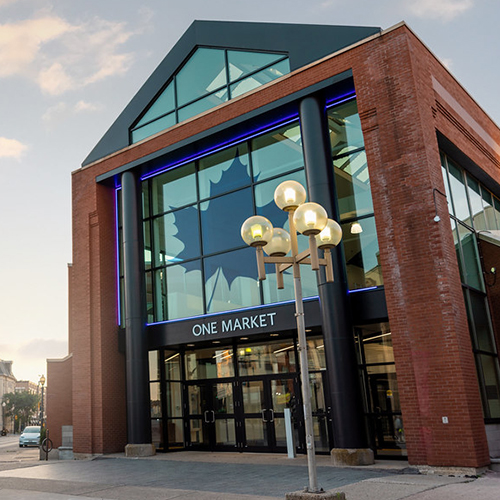
Laurier’s Kitchener-Waterloo, Brantford and Milton campuses are close to 18 First Nations communities and 12 Métis councils. The Six Nations of the Grand River and Mississaugas of the Credit First Nations are only a 15-minute drive from our Brantford campus.
Acknowledging them reminds us of our important connection to this land where we live, learn and work. We recognize, honour and respect these Nations as the traditional stewards, since time immemorial, of the lands and water on which Laurier is now present.
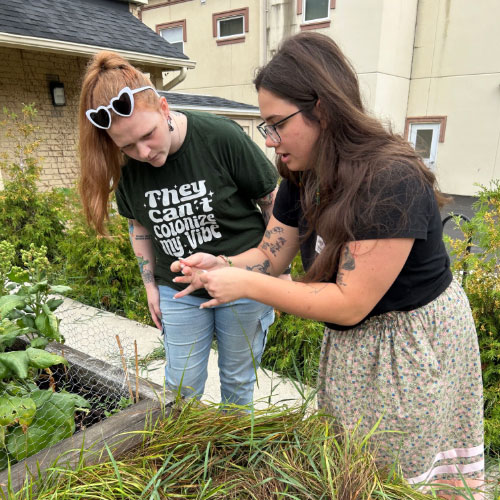
As outlined in the Laurier Strategy, Laurier is committed to creating a culture of engagement and building reciprocal community relationships. Laurier strives to create an environment in which Indigenous values are acknowledge and celebrated.
The Indigenous Strategic Plan: Principles for Indigenization, Reconciliation, and Decolonization, released in June 2023, provides a pathway to creating an inclusive university community that incorporates Indigenous knowledges, perspectives and experiences into the fabric of the university.
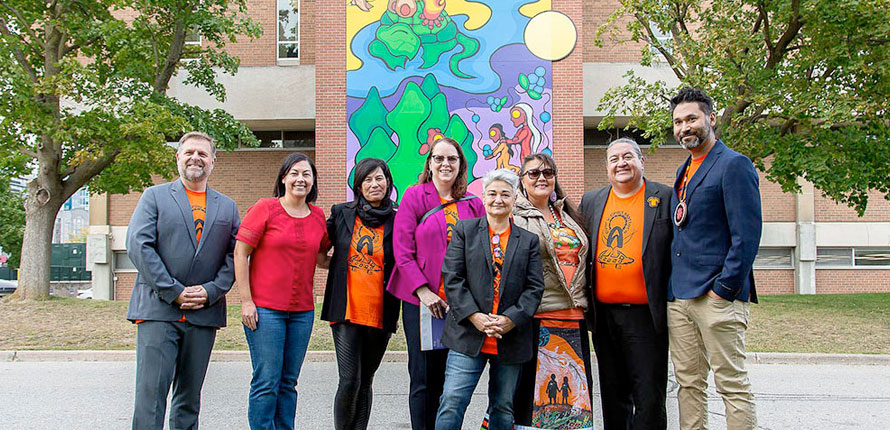
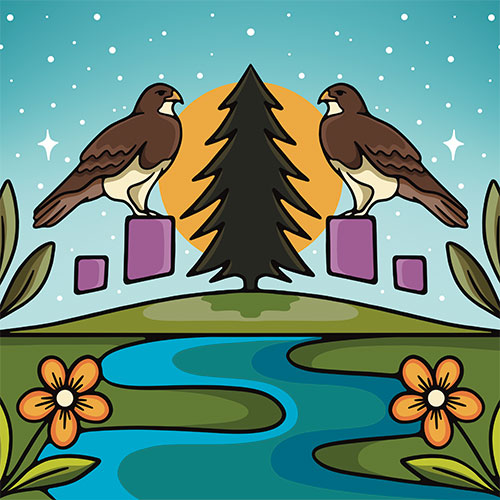
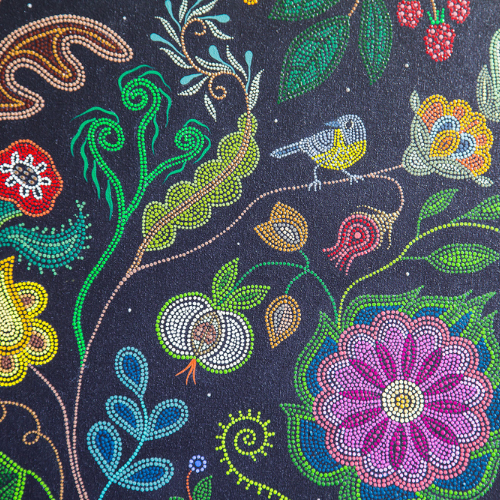
Ojibwe artist Mike Cywink’s woodland-style mural, "One Heart, One Mind, One Vision," stands 40 feet high on the southwest wall of Laurier’s Waterloo campus library. The mural serves as a reminder of the enduring strength and resilience of Indigenous peoples and an invitation for all of us to engage in meaningful dialogue and understanding.
Grounded in mutual respect, relationship-building and accountability, the Office of Indigenous Initiatives is dedicated to advancing Indigenous-led education, research, and community engagement. Through active engagement with students, faculty, staff, campus partners and our external community, we are working to foster mutually supportive partnerships and increase Indigeneity across Laurier. Explore what has been recently happening on our campuses.
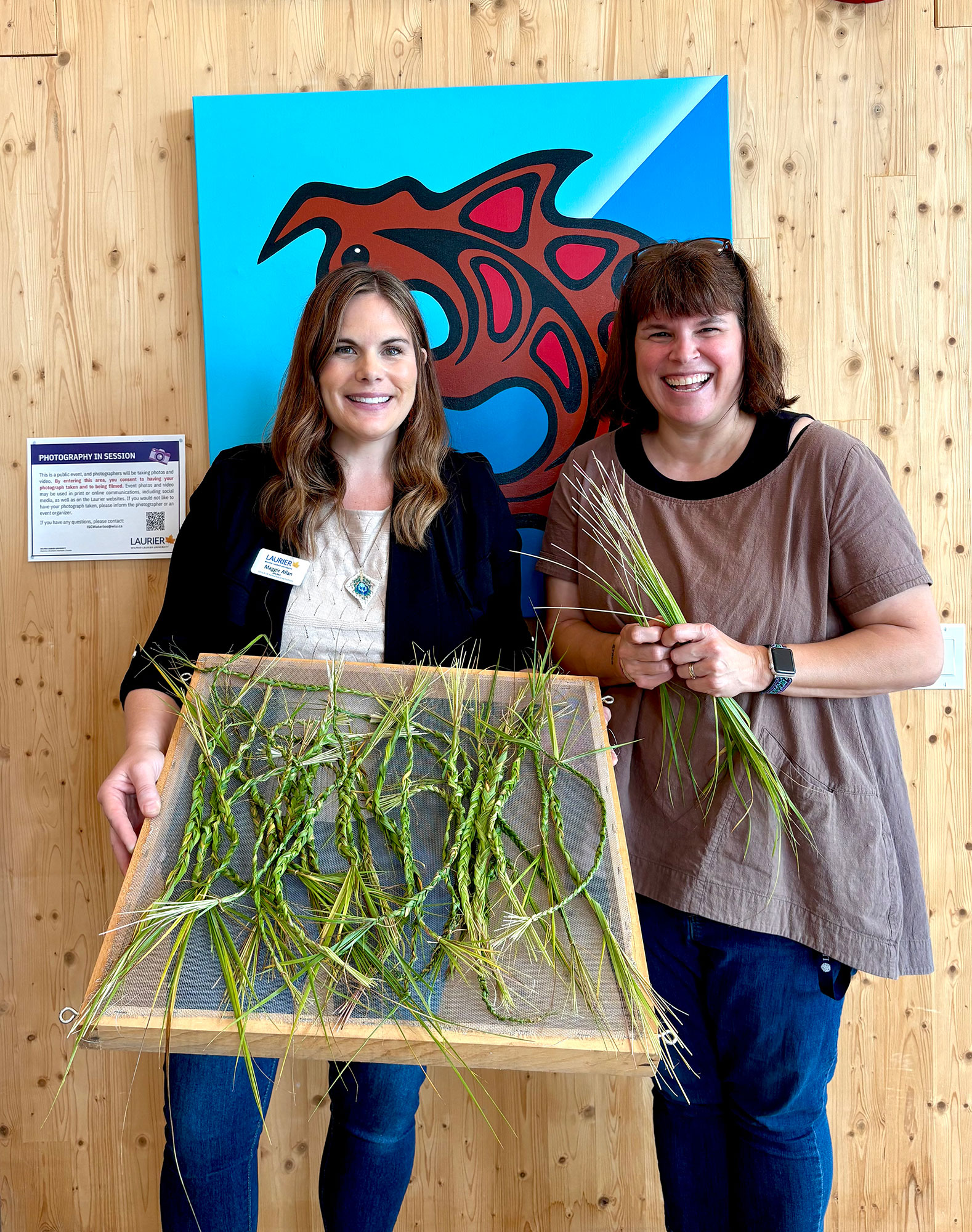
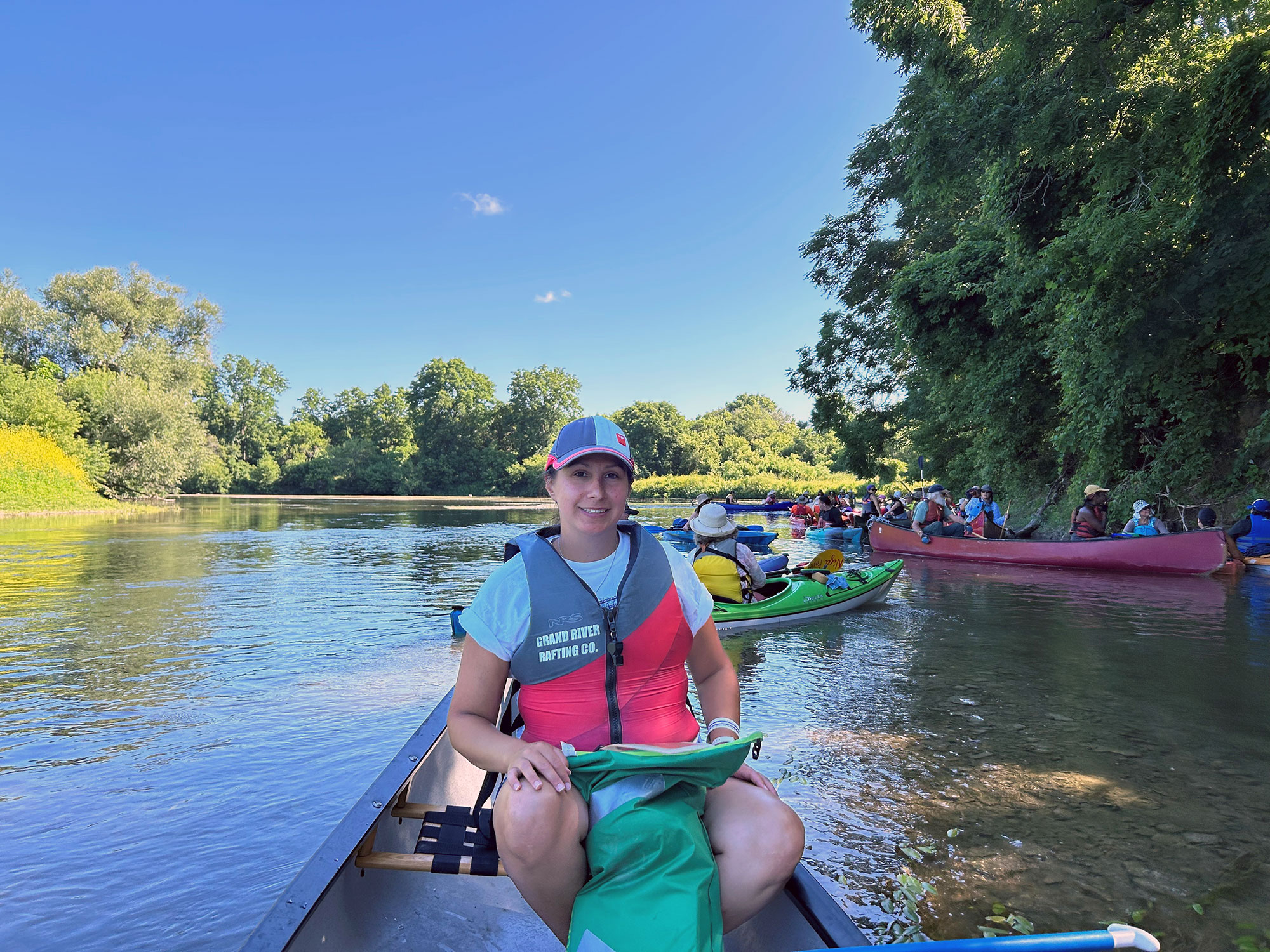
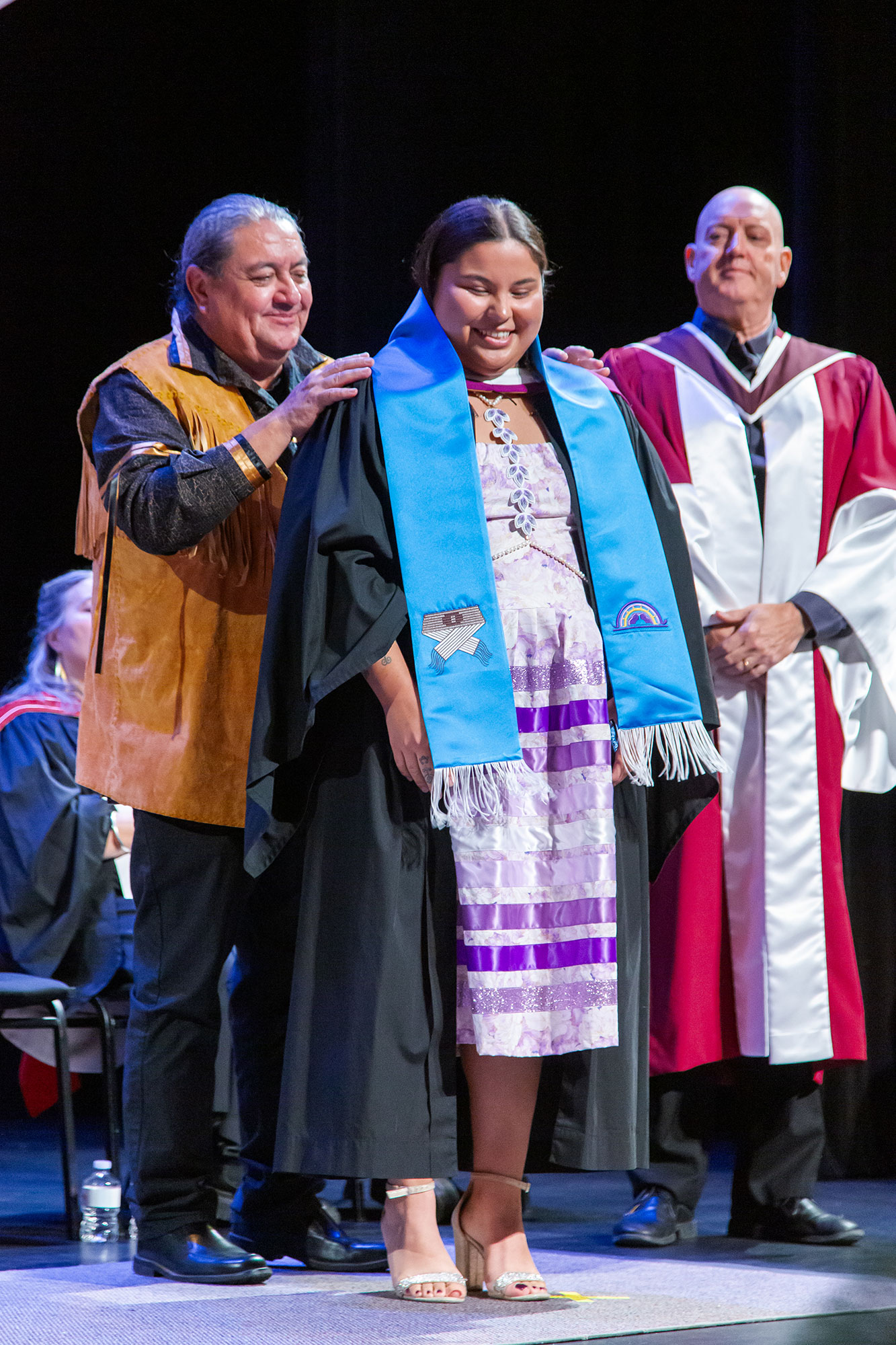
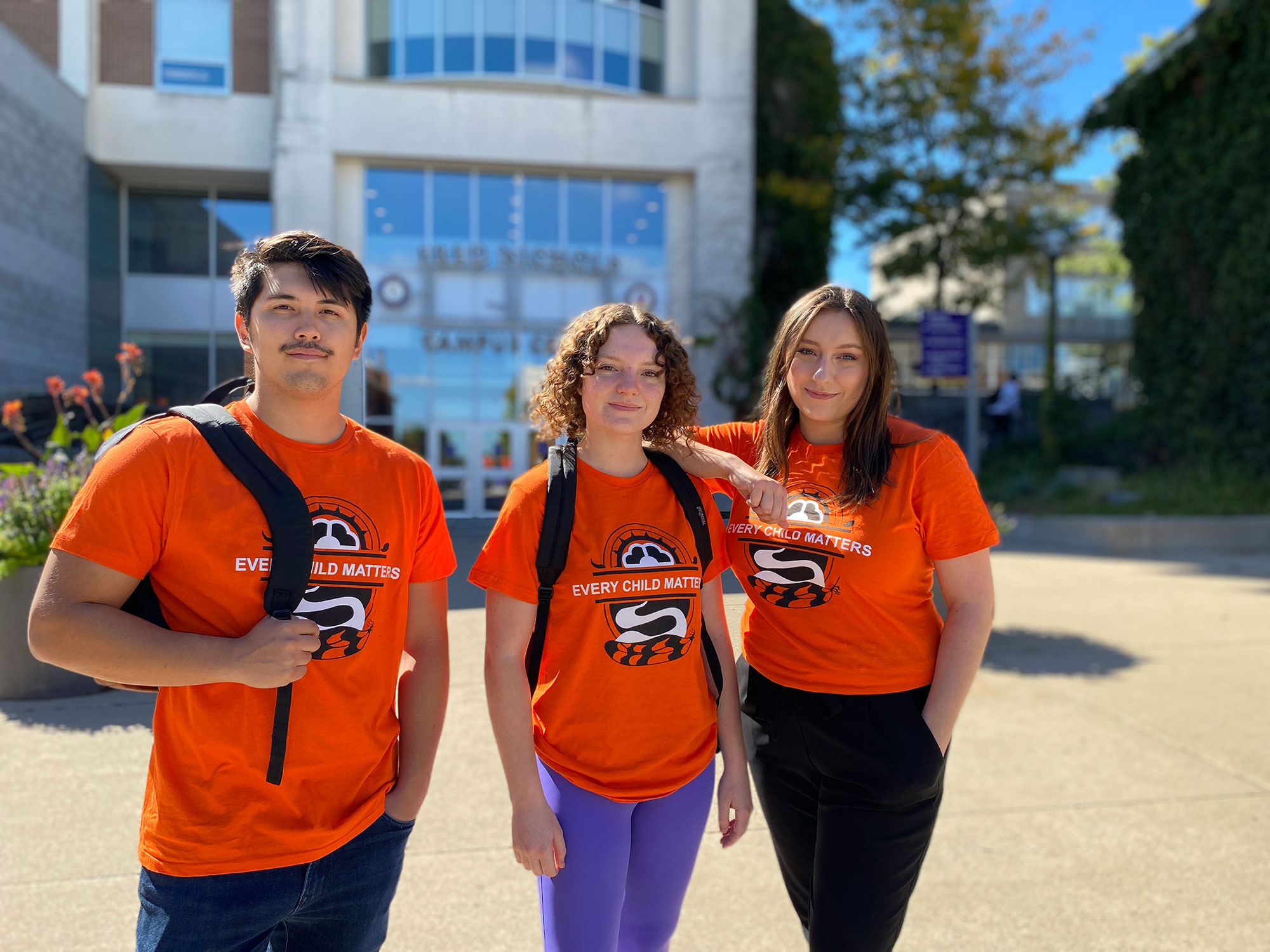
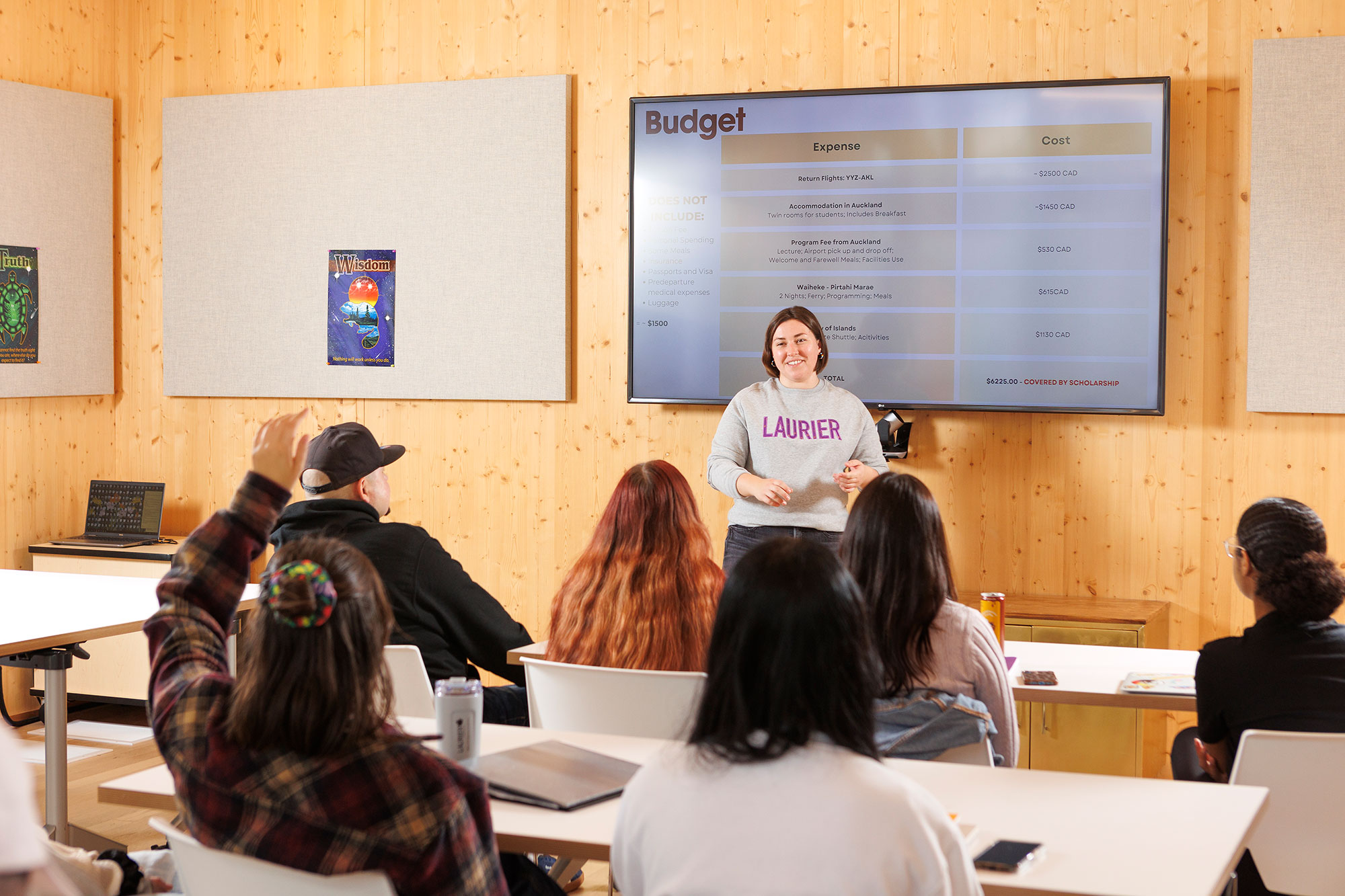
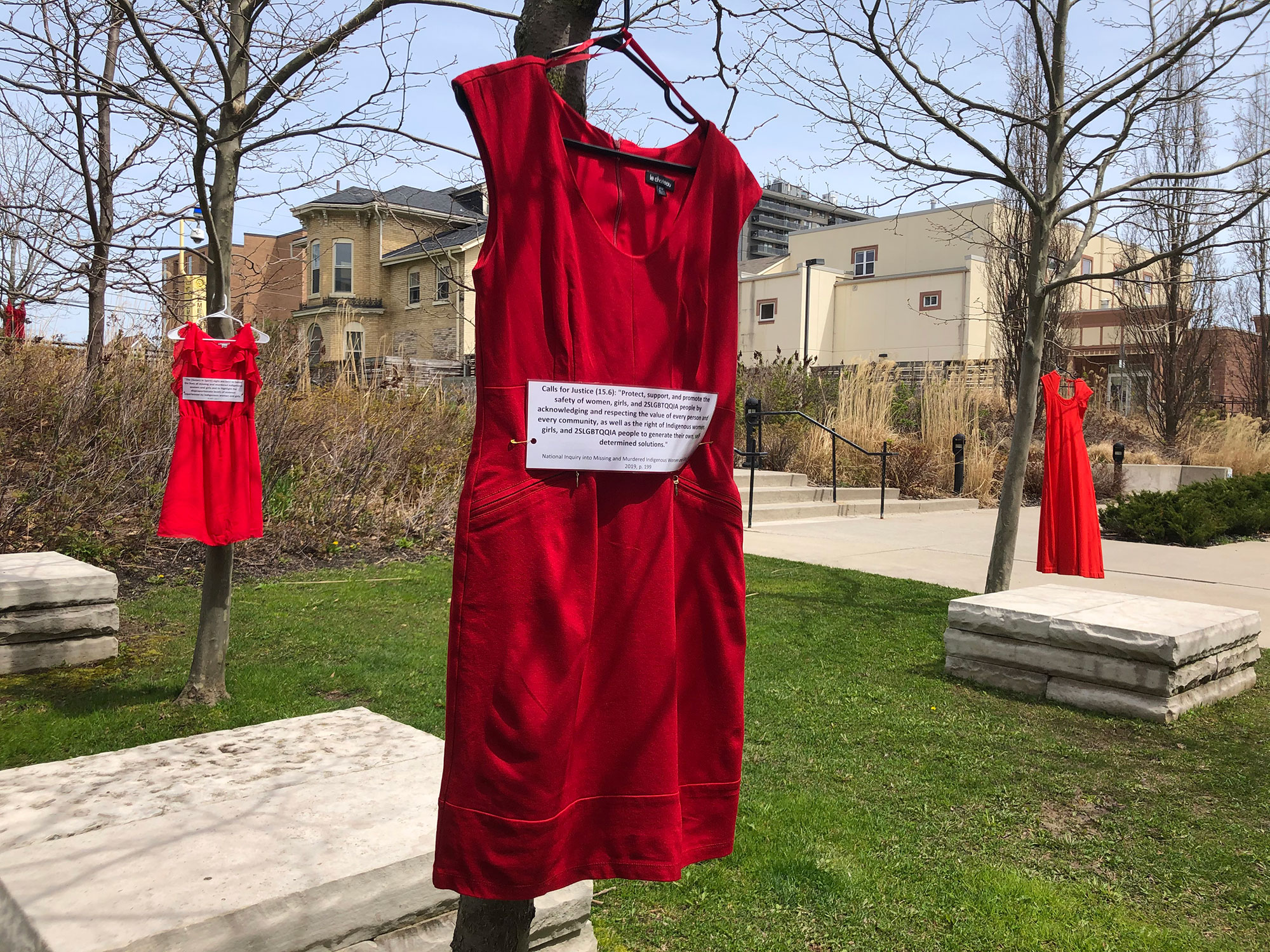
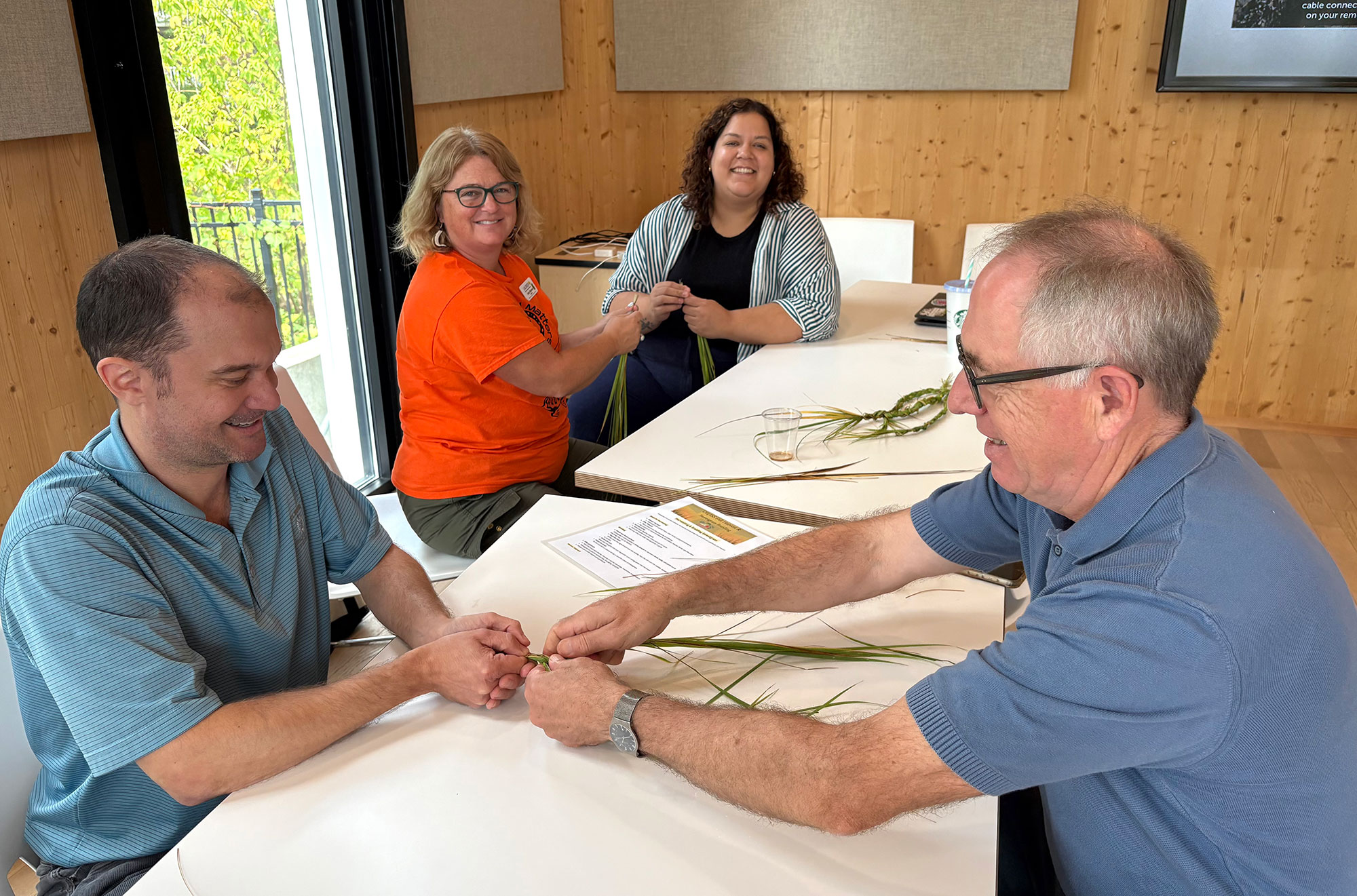
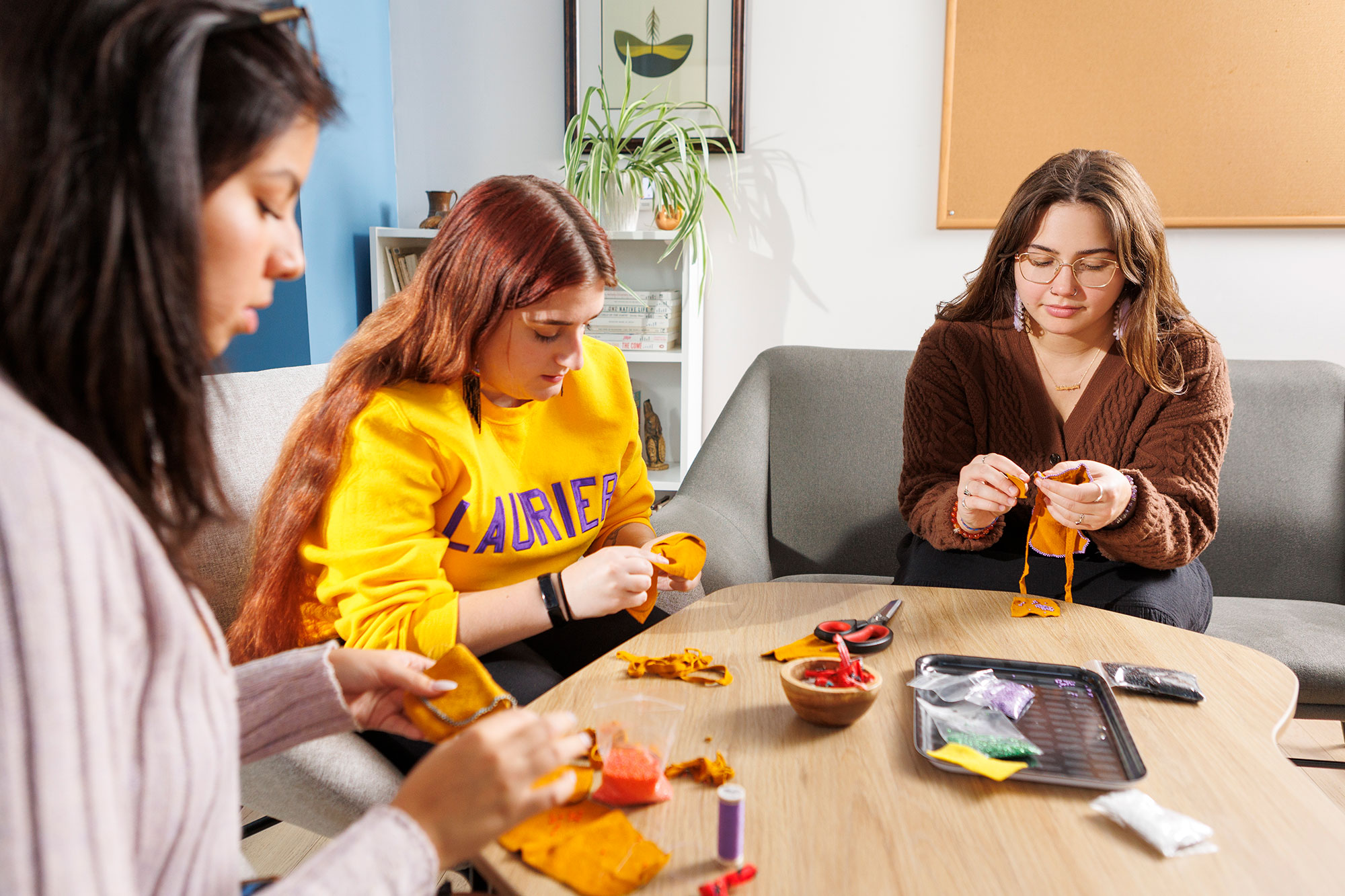
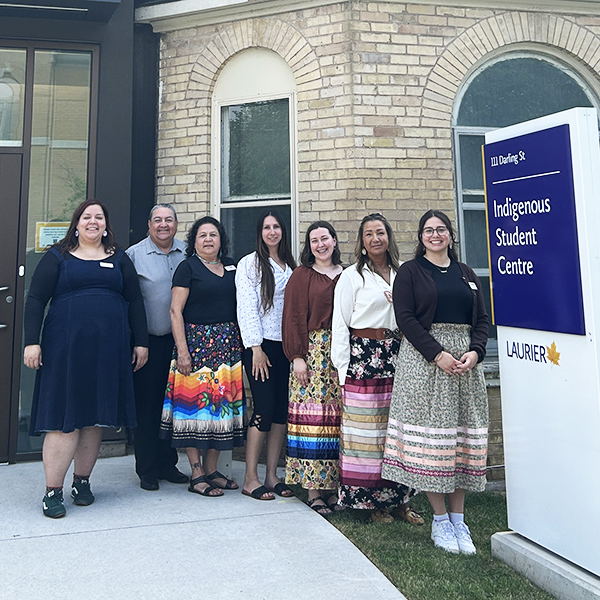
Laurier’s Indigenous Student Services team is dedicated to enhancing the student experience for all self-identified Indigenous undergraduate and graduate students. The Indigenous Student Centres on the Brantford and Waterloo campuses serve as a hub for Indigenous students. Support is just a visit, phone call or email away.

In Brantford, the generous support of the Grundy Family helped renovate Onkwehonwè:ne Brantford Campus. This Indigenous Student Centre creates a supportive and nurturing space for Laurier’s growing Indigenous student community, allows for much-needed staff and programming expansion, and increases vital access to academic programs and assistance with career development to further enhance employment options for Indigenous students.
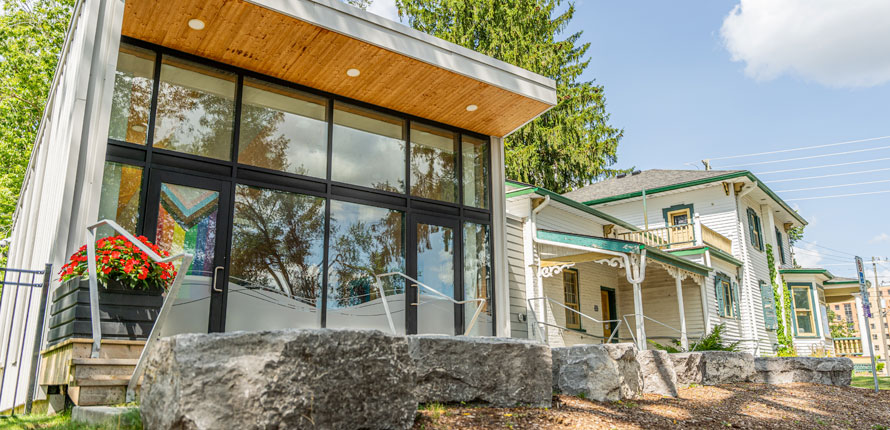
Thanks to generous philanthropic investment from the Lyle S. Hallman Foundation, Ken Flood, and Laurier's Students’ Union, Alumni Association, and Graduate Students’ Association, Lucinda House was renovated into Nadjiwan Kaandossiwin Gamik (Beautiful Place of Learning) on Laurier’s Waterloo campus. This is a place where Laurier’s Indigenous student community can participate in ceremony and activities and where Laurier can demonstrate its commitment to Indigenous culture and learning and Indigenous students’ success.

Based on the Haudenosaunee creation story, our logo reminds us of how the first seeds of life on Earth were planted on the back of a turtle. The inner segments of the dome represent the Anishnaabe (Ojibway) Seven Grandfather Teachings: love, respect, wisdom, bravery, truth, honesty and humility. The golden rays of the sun symbolize enlightenment, learning and new beginnings. The Métis beaded purple flower represents the gifts of plant life from the Skyworld, which encourage and sustain life. The entire design rests on the waters of life.
The Office of Indigenous Initiatives welcomes opportunities to collaborate with campus partners across the university and external community to advance Indigenous-centered education, research, and engagement. The Collaboration Request Form provides a space to share your ideas or requests for partnership.
All submissions of the form will be thoughtfully reviewed in alignment with our values of respect, reciprocity, and relationship-building.