

We use cookies on this site to enhance your experience.
By selecting “Accept” and continuing to use this website, you consent to the use of cookies.
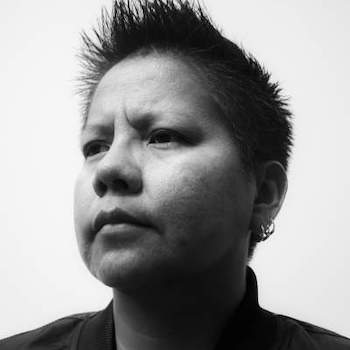
Accountability Statement: Decolonial and Ethical Commitments
According to my sqilxw ways of knowing and being, personal introductions precede all other words. This is not simply a cultural protocol; it is an enactment of relational accountability. It situates who I am, where I come from, who claims me, and the responsibilities I carry in my relationships, scholarship, teaching, and community engagement.
Way’, iskwis (my name is) Percy Lezard. I am xatma sqilxw, held and claimed through my ancestral and kinship relations: the Lezards from Sn’pinkton, the Krugers from Arrow Lakes, and the Baptistes from Chopka. At a time when the academic industrial complex continues to reward racial shifting, Indigeneity by aspiration, and the reproduction of pretendianism, I name myself, my nation, and my kin with intention. This is not merely an assertion of identity; it is an ethical and political commitment to confronting the erasure, appropriation, and fraudulent claims of Indigenous identity that undermine Indigenous sovereignty, distort our knowledge systems, and harm our communities.
I am the adult child of Residential School and Day School Survivors, Valerie Lezard and Moses Baptiste. My maternal grandparents, twiʔ pl̓wíc̓i̓a Elizabeth Lezard (Manual) and twiʔ naʔl stiʔulaʔxʷ Ernest Lezard, survived colonial attempts to sever sqilxw kinship, knowledge transmission, and relationality. My paternal grandparents, twiʔ Katherine Baptiste (Alec) and twiʔ naʔl George Baptiste, were also Residential School Survivors. Their lives, resilience, and enduring relationships to our peoples and territories inform the responsibilities I carry as their descendant.
My family belongs to sn’pinkton through our customary nation membership, and we are registered Status First Nations members of the Penticton Indian Band under the Indian Act. Importantly, my belonging is not constituted by federal legislation or institutional recognition. I am claimed by sqilxw peoples, my relations, and our unceded homelands in what is now colonially known as British Columbia. My accountability rests first with my ancestors, living relatives, community, nation, and territories, and extends outward to the institutions and broader communities in which I live and work.
As a sqilxw scholar, educator, and community member, I understand my academic responsibilities as inseparable from my relational obligations. These responsibilities require me to refuse extractive research practices, challenge the reproduction of colonial authority, uphold Indigenous intellectual and knowledge sovereignty, and ensure that my scholarship contributes to the continuance and flourishing of sqilxw peoples and future generations. My presence within academic institutions is neither neutral nor disconnected from colonial histories and contemporary structures of power. It is grounded in survivance, kinship, self-determination, and a responsibility to interrupt institutional practices that seek to define, contain, appropriate, or rewrite who we are.
For more than twenty-five years, I have lived as an invited guest on the territories of the Anishinaabe and Haudenosaunee peoples. I understand this relationship as carrying ongoing responsibilities rather than simply requiring a territorial acknowledgement. In my nation-to-nation relationships with the caretakers of these territories, I remain committed to upholding the principles and responsibilities of the Dish with One Spoon treaty, including reciprocity, respect, shared responsibility, and the ethical obligations of living on lands that are not my ancestral homelands.
My academic training includes a collaborative Ph.D. from the Ontario Institute for Studies in Education at the University of Toronto (OISE/UT) and a collaborative master's degree from the University of Toronto. These academic credentials reflect formal institutional recognition of my scholarship; however, they do not supersede the intellectual traditions, intergenerational teachings, or relational responsibilities through which I understand my work as a sqilxw person.
Before joining Wilfrid Laurier University in 2020, I held an academic appointment in the Faculty of Social Work at the University of Manitoba. I am grateful to be part of the Laurier Brantford scholarly community, where I have been supported in advancing my research, teaching, leadership, and community-engaged scholarship.
As a tenured Associate Professor in the Department of Indigenous Studies, Law and Social Justice, I remain committed to contributing to an academic environment in which Indigenous scholars, students, knowledge systems, and communities can thrive without compromising their identities, intellectual sovereignty, or responsibilities to their peoples.
Ultimately, this statement is not simply an introduction or a declaration of identity. It is an articulation of accountability. My scholarship does not begin or end within the university. It emerges from relationships that precede the institution and will continue long after it. I remain accountable to those relationships, to the peoples and territories that claim me, and to the generations who will inherit the consequences of the work we undertake today.
My research is grounded in sqilxw knowledge systems, Indigenous relational accountability, and a commitment to community-defined priorities, intellectual sovereignty, and self-determination. As a sqilxw, Two-Spirit scholar, I understand research as a relational responsibility rather than an individual academic pursuit. My scholarship seeks to disrupt colonial and extractive models of knowledge production while affirming Indigenous ways of knowing, being, and doing as living intellectual traditions governed by Indigenous peoples.
Central to my research approach is the understanding that Indigenous communities are not simply research participants or sources of knowledge, but knowledge holders, intellectual leaders, and authorities over their own experiences, histories, and futures. I prioritize community-based participatory action research (CBPAR), Indigenous methodologies, and collaborative research practices that centre reciprocity, collective responsibility, and tangible benefits for communities. Rather than privileging conventional measures of academic productivity, I emphasize research relationships, community-governed knowledge mobilization, policy transformation, and outcomes that strengthen Indigenous sovereignty and collective well-being.
My research program spans Indigenous knowledge systems, Two-Spirit and Indigiqueer pedagogies, gender and sexuality, Indigenous health and holistic wellness, gender-based violence, and the social and structural determinants of health. I work collaboratively with First Nations, Inuit, Métis, Black Indigenous, Afro-Indigenous, Two-Spirit, trans, non-binary, queer, sex-working, Deaf and hard-of-hearing, disabled, unhoused, and youth communities. My scholarship recognizes that these identities and experiences intersect with colonialism, racism, ableism, heteronormativity, cisnormativity, poverty, and institutional violence.
Through longstanding relationships with Indigenous communities, grassroots organizations, health and social service agencies, and national and international research networks, I contribute to projects that challenge systemic inequities and advance community-defined approaches to health, education, safety, and well-being. My work is particularly concerned with transforming institutional systems that have historically marginalized Indigenous and 2SLGBTQQIA+ peoples, while supporting Indigenous-led solutions grounded in cultural continuity, relational safety, and collective resurgence.
My current and emerging research also examines how educational institutions, health systems, and social services reproduce assumptions about gender, sexuality, family, and belonging. This includes investigating the experiences of 2SLGBTQQIA+ families within early learning and childcare systems, advancing Two-Spirit and Indigenous approaches to violence prevention, and strengthening Indigenous governance within research and policy development.
2026–2030 | Relational Safety in Early Learning Systems: 2SLGBTTQIA+ Families, Childcare Institutions, and Inclusive Futures in Canada
Principal Investigator | SSHRC Insight Grant, Stream B — Application submitted September 2026
This proposed four-year, national research program examines how early learning and childcare institutions recognize, support, and respond to 2SLGBTTQIA+ families, with particular attention to Indigenous families, kinship systems, and diverse family structures. Through community-engaged research with parents, caregivers, and early childhood educators, the project seeks to identify institutional barriers, strengthen relational safety, and develop evidence-informed approaches to inclusive early learning policy and practice.
2025–2026 | Relational Approaches to Addressing Violence Against Aboriginal and Torres Strait Islander LGBTQIA+ Peoples
Co-Principal Applicant | Australian Research Council Centre of Excellence for the Elimination of Violence Against Women (CEVAW) | $26,270
An international Indigenous research collaboration examining relational, culturally grounded approaches to understanding and addressing violence affecting Aboriginal and Torres Strait Islander LGBTQIA+ peoples. The project foregrounds Indigenous methodologies, community accountability, and the intersections of colonial violence, gender, sexuality, and Indigenous self-determination.
2024–2027 | BRANCH Research Project
Indigenous Content Committee Member
A national research initiative to which I contribute Indigenous methodological, ethical, and interpretive perspectives. My responsibilities include supporting Indigenous research governance, culturally responsive engagement, and the meaningful integration of Indigenous knowledge systems into research processes and knowledge mobilization.
2025 | We Are Part of the Circle: Reclaiming 2SLGBTQQIA+ People Who Experience Gender-Based Violence
Principal Applicant | SSHRC Explore Grant | $7,000
This project examines Indigenous and Two-Spirit approaches to responding to gender-based violence, centring community knowledge, relational accountability, cultural resurgence, and pathways toward healing and collective safety.
2023–2024 | Resurgence, Queering and Reclamation of Ceremony
Co-Applicant | SSHRC-funded research | $74,106.60
An Indigenous-led research initiative examining the relationships between Two-Spirit resurgence, ceremonial practices, cultural reclamation, and community-defined approaches to healing. The project advances Indigenous intellectual and ceremonial sovereignty while challenging colonial exclusions of Two-Spirit, trans, and gender-diverse peoples from cultural and institutional spaces.
2024–2025 | Exploring Facilitators, Barriers and Opportunities to HIV Pre-Exposure Prophylaxis Access and Use Among Urban Indigenous Peoples in the Greater Toronto Area
Principal Knowledge User | CIHR Catalyst Grant: HIV/AIDS and STBBI Community-Based Research | $96,598
This community-based research project investigates the structural, institutional, and cultural factors influencing access to HIV pre-exposure prophylaxis (PrEP) among urban Indigenous peoples. The research seeks to inform culturally safe, accessible, and community-responsive HIV prevention services while addressing inequities within health systems.
2020–2023 | Black, Indigenous and Racialized Access to Affirming and Culturally Safe Gender-Affirming Care
Research Collaborator | Women and Gender Equality Canada (WAGE), through the Canadian Professional Association for Transgender Health | $569,103
A national initiative examining barriers to culturally safe and gender-affirming health care for Black, Indigenous, racialized, trans, and gender-diverse communities. The project contributes to institutional capacity building, health equity, and approaches to care that recognize the intersections of racism, colonialism, gender identity, and systemic discrimination.
2020–2022 | Two-Spirit Sub-Working Group: MMIWG2SLGBTQQIA+ National Action Plan
Lead Writer and Research Contributor | Ontario Federation of Indigenous Friendship Centres | $195,000
A national, community-informed initiative documenting the experiences, priorities, and recommendations of Two-Spirit, trans, non-binary, and gender-diverse Indigenous peoples affected by colonial and gender-based violence. As lead writer of the Sub-Working Group's final report, I contributed to the development of recommendations addressing systemic violence, institutional accountability, cultural safety, and Indigenous self-determination.
2020–2021 | Indigenous Approaches to Harm Reduction
Research Collaborator | Ontario Federation of Indigenous Friendship Centres | $64,000
A community-grounded initiative examining culturally safe harm reduction approaches within Indigenous mental health and social service settings. The work supported the development of resources and practices that recognize Indigenous understandings of holistic wellness, colonial trauma, substance use, and relational approaches to care.
2019–Present | Two-Spirit Community-Based Research Mentorship
Research Mentor and Community Collaborator | Community-Based Research Centre (CBRC)
An ongoing commitment to strengthening research capacity among emerging Two-Spirit, Indigenous, trans, and gender-diverse researchers. This work emphasizes community-based participatory research, Indigenous ethics, relational accountability, and meaningful participation in the development, implementation, and dissemination of research affecting Indigenous 2SLGBTQQIA+ communities.
2015–2017 | Research on Tobacco Reduction in Aboriginal Communities (RETRAC)
Peer Researcher | Centre for Research on Inner City Health
A community-based initiative examining tobacco use, smoking cessation, and culturally relevant approaches to tobacco reduction among Indigenous peoples, including Two-Spirit and trans community members. The research recognizes the distinction between commercial tobacco use and the cultural, ceremonial, and medicinal significance of traditional tobacco within Indigenous communities.
Research Commitments and Future Directions
Across these projects, my research is guided by the principle that Indigenous knowledge systems, relationships, and communities must remain central to the governance, interpretation, and application of research. I am committed to advancing Indigenous research sovereignty, strengthening community research capacity, and supporting emerging Indigenous and 2SLGBTQQIA+ scholars.
My broader research agenda seeks to move beyond documenting inequities toward transforming the policies, institutions, and systems that reproduce them. Through Indigenous-led research, international collaborations, community-engaged scholarship, and reciprocal knowledge mobilization, I work toward futures in which Indigenous peoples determine the priorities, processes, and outcomes of research affecting their lives, communities, and territories.
My approach to teaching, mentorship, and research supervision is grounded in sqilxw relational accountability, Indigenous knowledge systems, and a commitment to fostering inclusive, culturally safe, and intellectually rigorous learning environments. Drawing on extensive teaching experience across Canadian postsecondary institutions, I support students throughout their academic journeys, recognizing that meaningful learning extends beyond the classroom and is strengthened through relationships, reciprocity, and community engagement.
I centre Indigenous worldviews, self-determination, resurgence, and relational approaches to education while challenging colonial structures within academic institutions. My pedagogical and supervisory practices are informed by anti-colonial, Two-Spirit-affirming, trauma-informed, and intersectional approaches that recognize students as knowledge holders with diverse lived experiences, intellectual traditions, and responsibilities to their communities.
My longstanding relationships with Indigenous communities, social service organizations, and research networks across Toronto, Canada, Australia, Aotearoa New Zealand, and the broader South Pacific create opportunities for students to engage in community-accountable scholarship, collaborative research, experiential learning, and knowledge mobilization. These relationships are built on trust, reciprocity, and sustained commitments to Indigenous communities rather than extractive models of academic engagement.
I am particularly committed to mentoring and building research capacity among emerging Indigenous, Two-Spirit, trans, non-binary, queer, and Black, Indigenous, and People of Colour (2QTBIPOC) scholars and learners. My areas of research supervision and mentorship include:
Through teaching, supervision, and collaborative research, I seek to create opportunities for students to develop their intellectual contributions, strengthen relationships with communities, and build the methodological, ethical, and professional capacities necessary to undertake meaningful research.
My goal is not simply to prepare students to participate in existing academic and professional systems, but to support emerging scholars in critically examining, challenging, and transforming those systems through Indigenous knowledge, collective responsibility, and community-accountable scholarship.
I welcome inquiries from undergraduate and graduate students whose research interests align with these areas, particularly those committed to Indigenous-led, community-engaged, and socially transformative scholarship. Research supervision and mentorship opportunities are subject to institutional eligibility, supervisory capacity, and available research funding.
Day, M., Lezard, P., Kaur, M., Worrell, T., Barnes, D., Rey, J., Moorehead, A., Roberts, Z., Haua, I., Bakic, T., Farrell, A., Bishop, M., O’Sullivan, S., Carlson, B., Ropeyarn, Y., Smith, D. J., Sams, T. K., Tynan, L., Marek, C., … Keovorabouth, S. T. (2025). Goanna walking: A rubric to measure transformation in Critical Indigenous Studies students. Journal of Global Indigeneity, 9(1), 1–3. https://doi.org/10.54760/001c.143978
Gwun, D., Snow, B., Potter, E., Walker, R. L., Millman, A. L., Krakowsky, Y., Lorello, G. R., Du Mont, J., Barker, L. C., Lezard, P., Sivagurunathan, M., Urbach, D. R., & Armstrong, K. (2024). The landscape of Medicare policies for gender-affirming surgeries in Canada: An environmental scan. BMC Health Services Research, 24, Article 916. https://doi.org/10.1186/s12913-024-11361-w
Lee, E. C., Rwigema, M.-J., Cook, F. M., & Lezard, P. (2026). Social work and sexual and gender diversity (Chapter 10). In N. D. Ives, Introduction to social work in Canada. Oxford University Press.
Lezard, P., Day, M., & O’Sullivan, S. (2023). Indigiqueer futures: A conversation between Indigenous non-binary academics. In B. Carlson, T. Kennedy, & M. Day (Eds.), Global networks of Indigeneity: Peoples, sovereignty and futures (pp. 179–202). Manchester University Press. https://doi.org/10.7765/9781526156983.00017
Lezard, P. (2021). Review of As we have always done. TSQ: Transgender Studies Quarterly. Duke University Press.
Lezard, P., Prefontaine, N., Cederwall, D.-M., Sparrow, C., Maracle, S., Beck, A., & McLeod, A. (2021, April). 2SLGBTTQIA+ Sub-Working Group: MMIWG2SLGBTTQIA+ National Action Plan final report. Ontario Federation of Indigenous Friendship Centres, Toronto, Ontario. https://scholars.wlu.ca/indg_faculty/1/
Lezard, P. (2021, October). Indigenous harm reduction toolkit. Ontario Federation of Indigenous Friendship Centres, Toronto, Ontario.
Lezard, P., & Kaur, M. (2017, November 30). Feasibility study and business case for Aboriginal-specific beds at Ashnola at the Crossing (Youth Treatment Facility). Okanagan Nation Alliance, Westbank, British Columbia.
Lezard, P., & Kaur, M. (2017, March 29). Final research report on feasibility study on mental health and wellness for the Penticton Indian Band. Penticton Indian Band, Penticton, British Columbia.
Lezard, P. (2015, October). Final research on tobacco reduction in Aboriginal community: Report for urban Aboriginal community members who identify as Two-Spirit/Trans. 2 Spirited People of the First Nations, Toronto, Ontario.
2024
Hayes, L., Corbett, S., Heyano, J., Lezard, P., & Lang, E. (2024, February 28). Improving access to services for Two-Spirit people and Native LGBTQIA+ victims of human trafficking [Webinar]. Office for Victims of Crime, Human Trafficking Capacity Building Center. https://youtu.be/CUmoBJeYY_I
2023
Lezard, P., & Davis, C. (2023, June 20). Inspiring conversations: Embracing gender identities [Webinar]. Laurier Alumni, Wilfrid Laurier University. https://youtu.be/scG754e-ANs
Lezard, P. (2023, June 7). niʕáy̓p kʷu aláʔ – We have always been here [Keynote webinar]. National Indigenous Women's Resource Center. https://youtu.be/duf8_Bvu-Rg
Lezard, P. (2023, March 16). Indigenous harm reduction [Recorded presentation]. Ontario Federation of Indigenous Friendship Centres. https://youtu.be/upl1_HVO_V0
2022
Lezard, P. (2022, November 18). Gender-based violence against Two-Spirit/Indigiqueer people [Webinar]. Learning Network and Knowledge Hub, Western University. https://youtu.be/kQHUqjtIi_k
Lezard, P. (2022, October 27). Sorting out our bundles: The way forward is back to basics [Keynote address]. Summit 2022: Pushing Possibilities, Community-Based Research Centre, Vancouver, British Columbia. https://youtu.be/2C0d-diT0w0
Lavallee, L., Lezard, P., & DiNova, J. (2022, September 30). Misogyny-Kwil-Miskwaa: A conversation about misogyny within the Indigenous community [Webinar]. Toronto Metropolitan University. https://youtu.be/eNrwmZCwEEQ
cárdenas, m., Lezard, P., & Faye, H. (2022, May). Imagining trans, non-binary, and Two-Spirit futures [Webinar]. Simpson Center for the Humanities, University of Washington. https://youtu.be/RgZufSh2UFA
2021
Lezard, P., & Shawanda, A. (2021, December 20). Decolonizing methodologies series: At the intersection of decolonization and gender equity [Webinar]. Dalla Lana School of Public Health, University of Toronto. https://youtu.be/ApguszGD6N8
Eklund, T., Waters, B., Nair, S., Dryden, O. H., Lezard, P., & Sangha, S. (2021, August 26). Virtual ProPride: Beyond inclusion towards belonging [Webinar]. Pride at Work Canada. https://youtu.be/t-7F4i7nfok
Lezard, P. (2021, May 5). MMIW2SLGBTQQIA+ [Webinar]. Saskatchewan Polytechnic Indigenous Studies. https://youtu.be/tMjr1KRGM20
Lavallee, L., Carlson, B., O’Sullivan, S., Kidman, J., McAllister, T., Moeke-Pickering, T., Naepi, S., & Lezard, P. (2021, April 7). Indigenous resurgence [Webinar]. Faculty of Community Services, Toronto Metropolitan University. https://youtu.be/tfKqvyFbXV0
Lezard, P. (2002). Wannabee. In E. Ruth (Ed.), Bent on writing: Contemporary queer tales. Women's Press.
Dr. Percy Lezard's academic and community leadership is grounded in sqilxw relational accountability, Indigenous intellectual sovereignty, Two-Spirit resurgence, gender justice, and institutional transformation. Their contributions span local, national, and international Indigenous research networks, scholarly collaborations, governance bodies, and community organizations committed to advancing Indigenous self-determination, cultural safety, and the health and well-being of 2SLGBTQQIA+ peoples.
International Research Networks and Scholarly Affiliations
Dr. Lezard is a member of the Centre for Global Indigenous Futures at Macquarie University in Sydney, Australia, where they also held a visiting scholarly appointment in 2024. Their international scholarship contributes to Indigenous-led research on gender, sexuality, relationality, decolonial methodologies, and Indigenous futurities.
They maintain international research collaborations with Indigenous scholars and communities across Canada, Australia, Aotearoa New Zealand, and other global contexts. Their scholarship advances cross-cultural understandings of Two-Spirit, Indigenous queer, trans, and gender-diverse experiences while centring Indigenous sovereignty, community accountability, and relational approaches to knowledge production.
Their international research leadership includes collaborative work with Australia's ARC Centre of Excellence for the Elimination of Violence Against Women (CEVAW), examining relational approaches to violence affecting Aboriginal and Torres Strait Islander LGBTQIA+ peoples.
National Governance and Research Leadership
Dr. Lezard serves on the national Board of Directors of Fierté Canada Pride, contributing to national advocacy, organizational governance, and the advancement of Two-Spirit and 2SLGBTQQIA+ rights and inclusion. Their leadership includes a previous term as Co-President of Fierté Canada Pride.
They also serve on the Indigenous Content Committee for the BRANCH Research Project, contributing Indigenous perspectives to research governance, methodological integrity, community engagement, and culturally grounded approaches to research involving Indigenous peoples.
Their previous national leadership includes serving as Co-Chair of the Board of Directors of 2 Spirits in Motion, as well as membership on the Steering Committee for the 2021 Transgender Professional Association for Transgender Health (TPATH) Conference.
Indigenous Policy, Advocacy, and Systems Transformation
Dr. Lezard served on the Two-Spirit Sub-Working Group contributing to the National Action Plan on Missing and Murdered Indigenous Women, Girls, and 2SLGBTQQIA+ People. As lead writer of the Sub-Working Group's final report, they helped advance community-informed recommendations addressing colonial and gender-based violence, systemic discrimination, and the protection, safety, and self-determination of Two-Spirit, trans, and gender-diverse Indigenous peoples.
Their policy and advisory contributions also include service on the Indigenous Advisory Council of the Canada Mortgage and Housing Corporation (CMHC), where they advanced understandings of housing as a social determinant of health and its intersections with gender-based violence, displacement, poverty, and structural inequities.
Dr. Lezard has additionally contributed to Indigenous health, disability justice, and institutional accountability through advisory roles with the First Nations Health Authority, the Canadian Council on Rehabilitation and Work, and research initiatives addressing Indigenous-specific racism within postsecondary institutions.
Across their international memberships, national governance roles, and community-accountable scholarship, Dr. Lezard works to challenge colonial structures, strengthen Indigenous authority in research and policy, and create institutional conditions in which Indigenous peoples and their knowledge systems can flourish. Their leadership reflects a sustained commitment to Indigenous resurgence, reciprocal relationships, and the collective responsibilities owed to present and future generations.
Dr. Lezard contributes to national media conversations concerning Indigenous rights, colonial violence, reconciliation, residential and day school accountability, Two-Spirit and 2SLGBTQQIA+ advocacy, and Indigenous governance. Their public commentary connects contemporary political and policy developments with the continuing impacts of colonialism and the responsibilities of governments and institutions toward Indigenous peoples.
2023
2022
University and Community Media
2022
2021
International and National Conference Presentations
2026
2025
2023
2022
2020
2019
2018
2016
2015
2013
2012
2011
2010
2009
2007
2005
Invited Scholarly Lectures, Keynotes, and Presentations
2025
2023
2022
2019
2016
2015
2007
Scholarly Panels and Public Intellectual Engagement
2024
2023
2022
2021
Scholarly Panel Organization
2015
Contact Info:
Office location: Virtual Appointments only
Languages spoken: English and American Sign Language (ASL)